

Ruaha Safaris
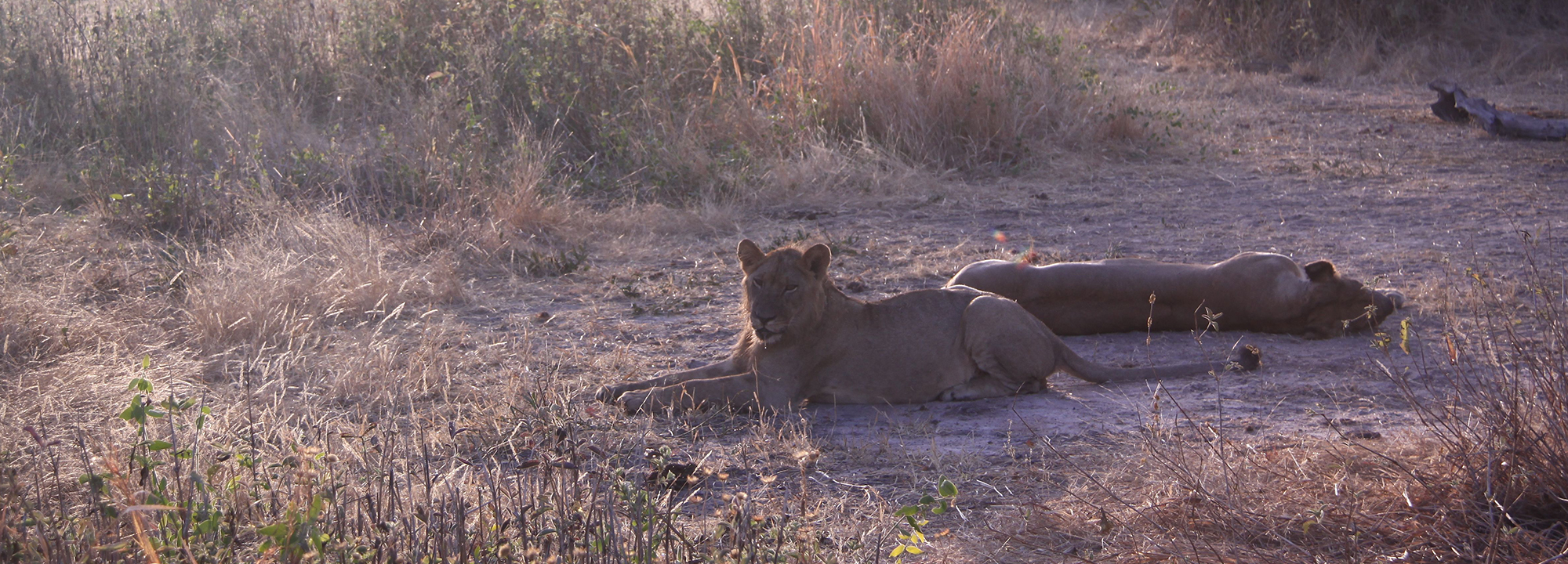
Ruaha is palpably exciting and can produce extraordinary game viewing in a genuinely wild location. If your main goal from your safari trip is to see as much wildlife as possible – elephant, buffalo, lion, leopard and more – then Ruaha ticks the boxes.
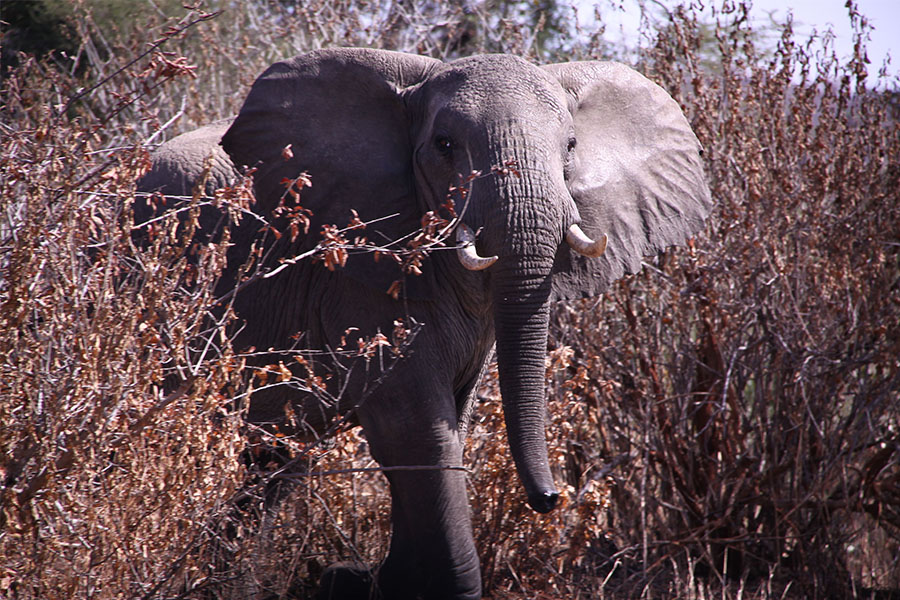
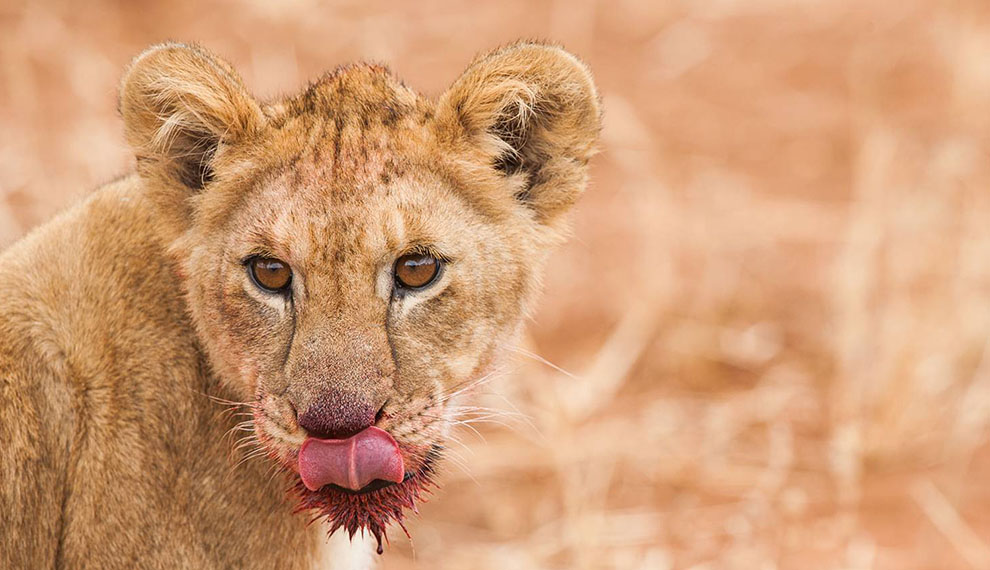
Ruaha is one of the most stunning, varied and photogenic parks in Tanzania. You can expect to see a wide range of species from lion, leopard, cheetah, buffalo and elephant to greater and lesser kudu, sable and roan antelope and even wild dogs – all against a breath-taking array of scenery. Low tourist numbers and open sided vehicles also add to the feeling of a truly authentic, unspoiled experience.
In addition to the mammals, there are in the region of five hundred species of birds in Ruaha and even now new sightings are being recorded – an indication of how little visited the area has been.
If you’re looking for a traditional walking safari experience supported by a mobile camp, few alternatives come close to Ruaha. It reveals its best secrets slowly, so we recommend visiting for a minimum of three days, and five or more if you want to see it in its full glory and leave no stone unturned.
+ Read More
- Brilliant walking off the beaten track
- Low visitor numbers
- Variety of breathtaking scenery
- Iconic baobab forests
-
 ATOL Protected
-
24/7 Guidance & Support
-
20+ Years of Experience
-
We take care of the leg work
-
We find you the best deal



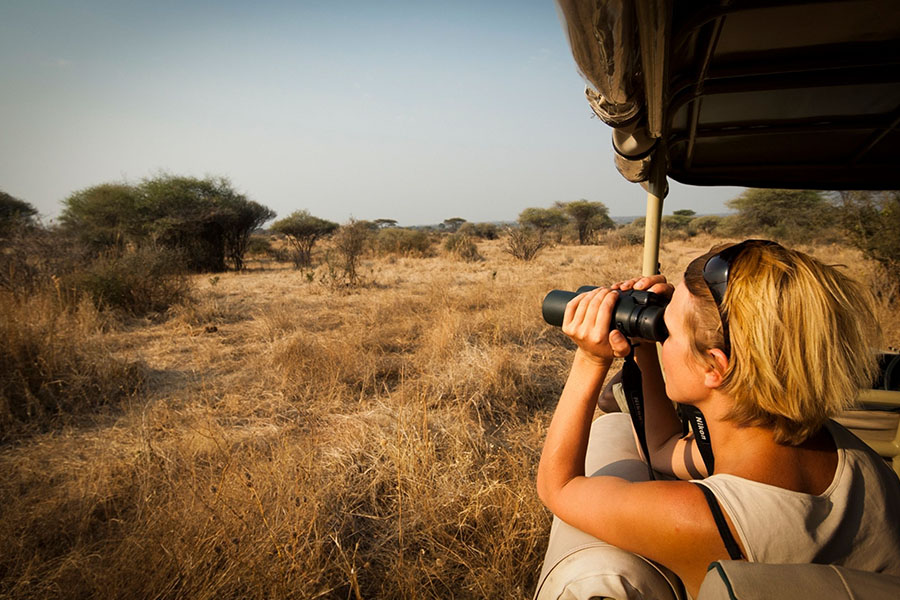
Best Time To Visit Ruaha National Park
The national park is versatile and can be visited in both the dry and green season.
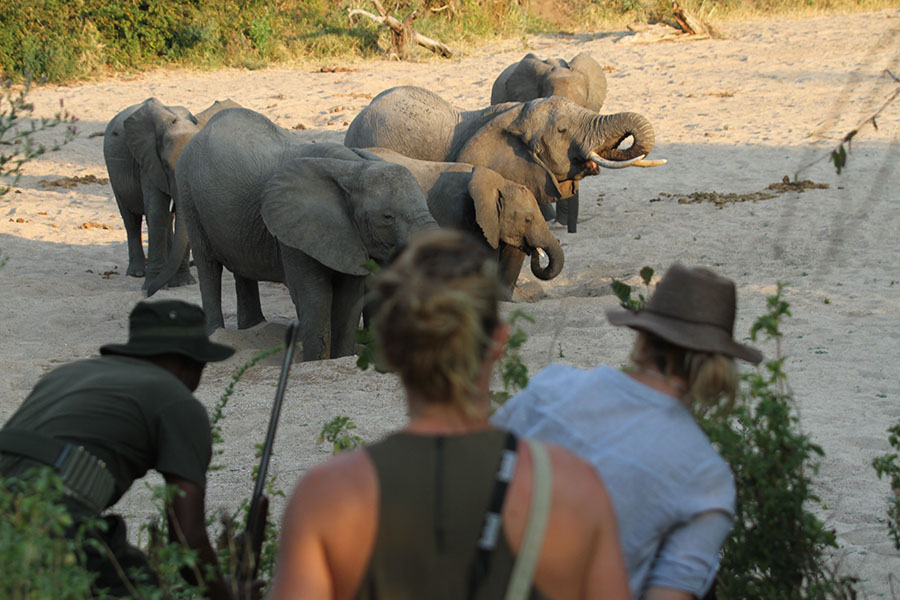
Visit Ruaha when sand river tributaries like the Mwayangi, Mwagusi and Mdonya draw large numbers of animals to drink, between June and October. In many ways, Ruaha is an archetypal dry season park. It’s criss-crossed with a network of rivers and sand rivers, many of which retain good clear drinking water (often under the sand) through even the most extreme of Ruaha’s intense dry seasons.
This means that the game here follows the predictable pattern of dispersing during the wet season and congregating around the remaining water courses between June and October. This is the best time for game viewing, so if you haven’t experienced Ruaha in the dry season, be prepared for a treat.
We’d also never rule out the green season in Ruaha. Of course it’s less expensive, but there is also plenty to see with birdlife and wonderful animal behaviour you don’t see at any other time, with February probably being the best choice.
Best Time To Visit Ruaha National Park


Talk to our Experts
They’ll be happy to let you in on their travel secrets, and help you plan a tailor-made trip that’s truly unforgettable.
Top Experiences in Ruaha
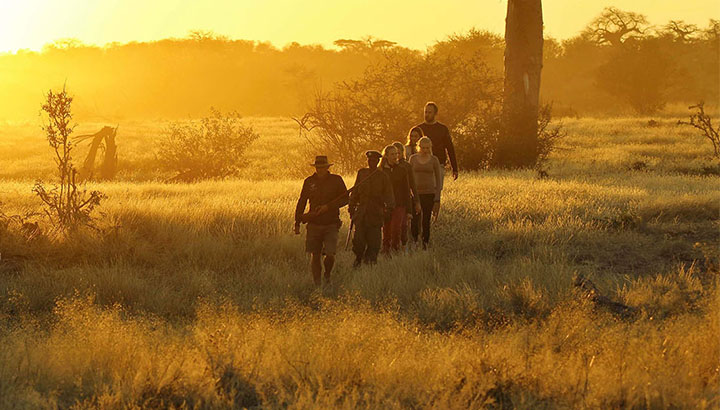
Walking Safari in Ruaha National Park
A traditional walking safari supported by simple but mobile camps in a park that offers fantastic wildlife.
Discover More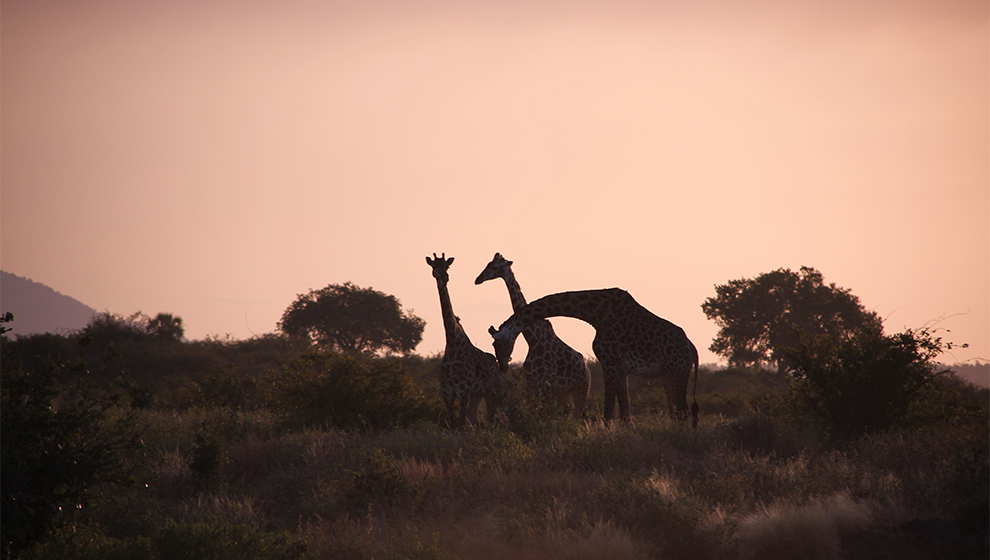
Our Favourite Camps & Lodges
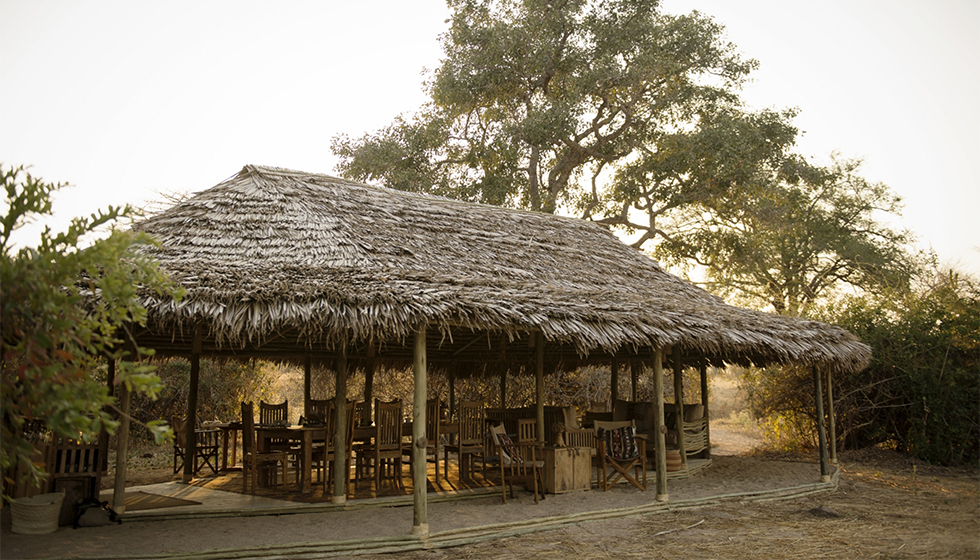
With just six tents, one of which is for families, strung along a generally dry river bed, Kigelia is a classic safari camp, built of canvas and thatch and designed to immerse you deep in to the wilderness.
Learn More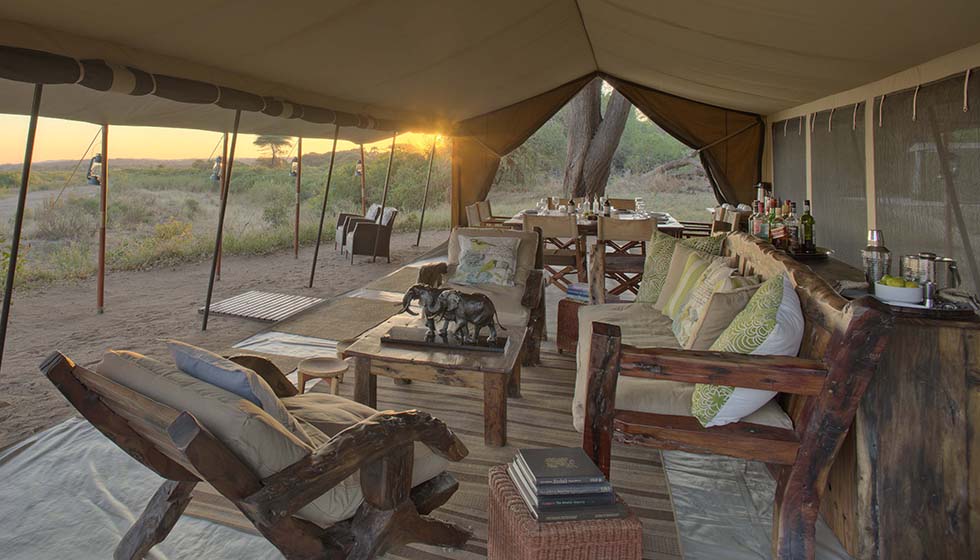
Kichaka Safari Camp in Ruaha National Park is a shining example of how to quietly get the best from the African bush.
Learn More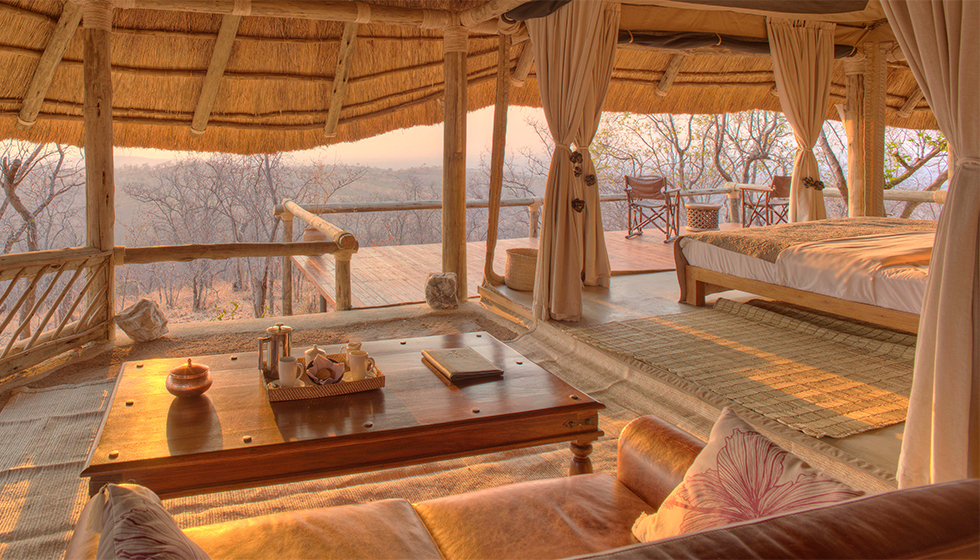
Ikuka takes a somewhat different approach from the other camps in the area. Instead of being in amongst the action it sits high on a ridge on the Mwagusi Escarpment. This allows for both spectacular views across the Ruaha National Park and the ability to have open sided rooms.
Learn More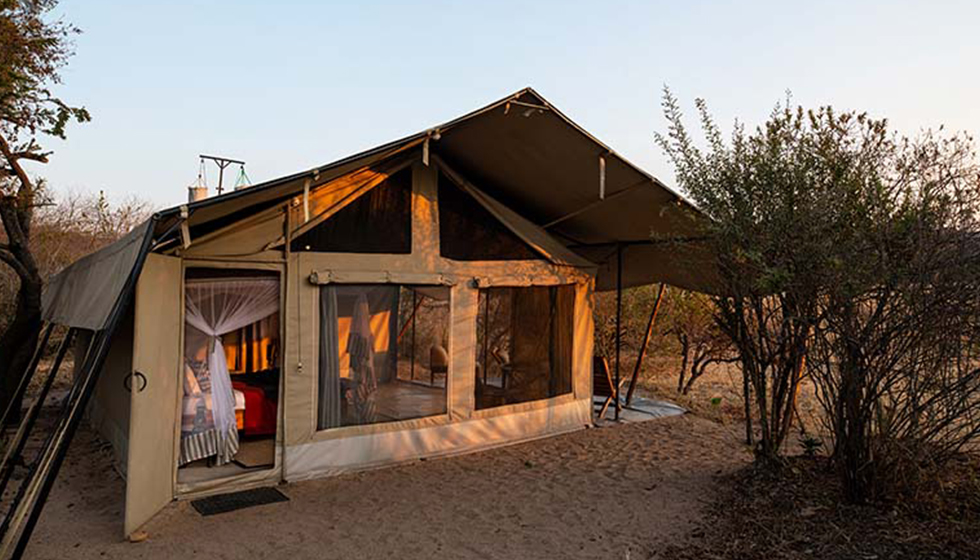
Kwihala in Ruaha is truly a camp in keeping with its environment whilst maintaining a temporary and authentic safari feel.
Learn More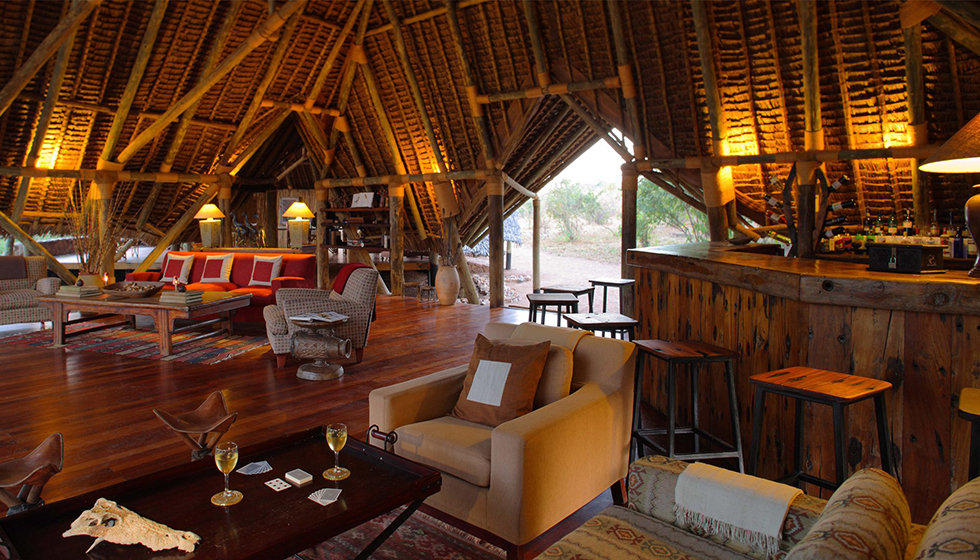
Beautifully designed and hugely comfortable – but it also ticks the box if your main objective is to get away from the crowds.
Learn More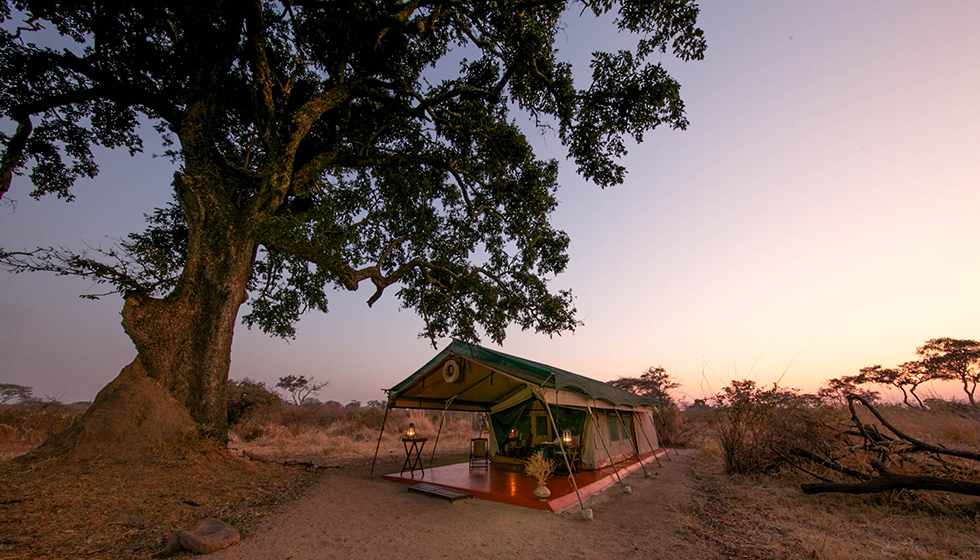
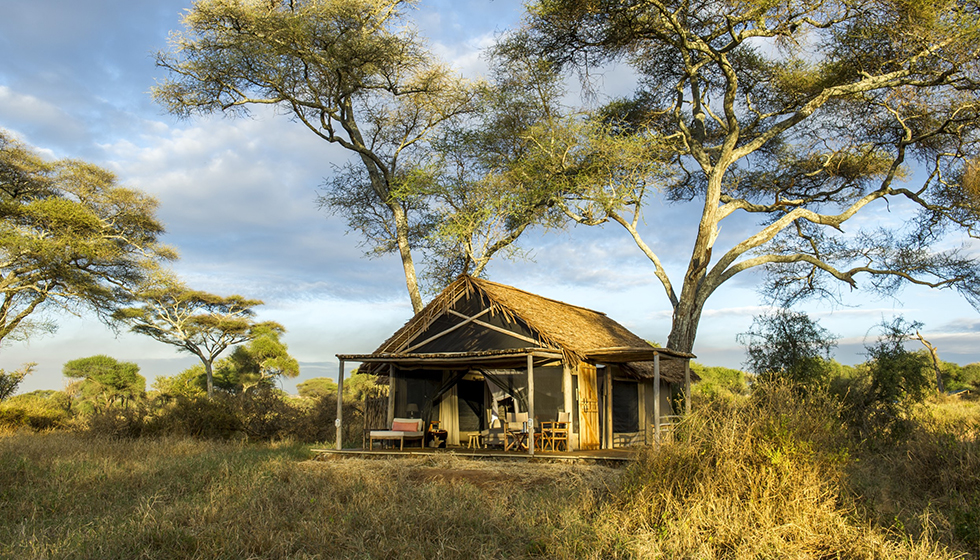
A traditional tented camp surrounded by acacia forests and fig trees, situated close to the seasonal waterfall from which it takes its name, and away from the more popular Msembe area.
Learn MoreRuaha (FAQS) NEED TO KNOW
How many days do you need in Ruaha National Park?
Ruaha is a vast national park and depending on the time of year and what you would like to see, we would recommend at least three days in the park – with five being the ideal amount. We recommend taking your time to stop and experience the atmosphere on the ground. All our itineraries are tailor-made to suit the type of excursion you’re looking for so get in touch to discuss your next adventure.
What is the best way to explore Ruaha National Park?
One of the best ways to explore Ruaha is to set out on foot. If you’re looking for a traditional walking experience, supported by a mobile camp, then few of the alternatives come close to walking safaris in Ruaha. Breathtaking and varied scenery combined with massive herds of elephant and buffalo, endless prides of lion and antelope of every race, crede and colour and mercifully few tourists. Visitor numbers are low already in Ruaha, but in the eastern end of the park where these walks take place – they are non-existent.
What is the accommodation at Ruaha National Park like?
The park has a choice of excellent camps; from stylish traditional tented camps to some good choices for those looking for a simple but comfortable approach. If you’re taking part in a walking safari in Ruaha, you will find some outstanding walking supported by lightweight flycamps.
From our Travel Guides







Meet Our Travel Experts
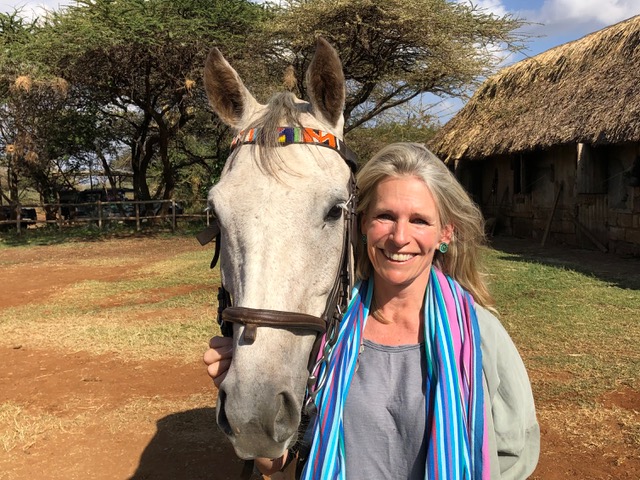
It takes genuine local knowledge to craft trips that go beyond the ordinary. The Natural High team have unrivalled experience and will take your ideas and turn them into your trip of a lifetime.
Into The Wild Brochure
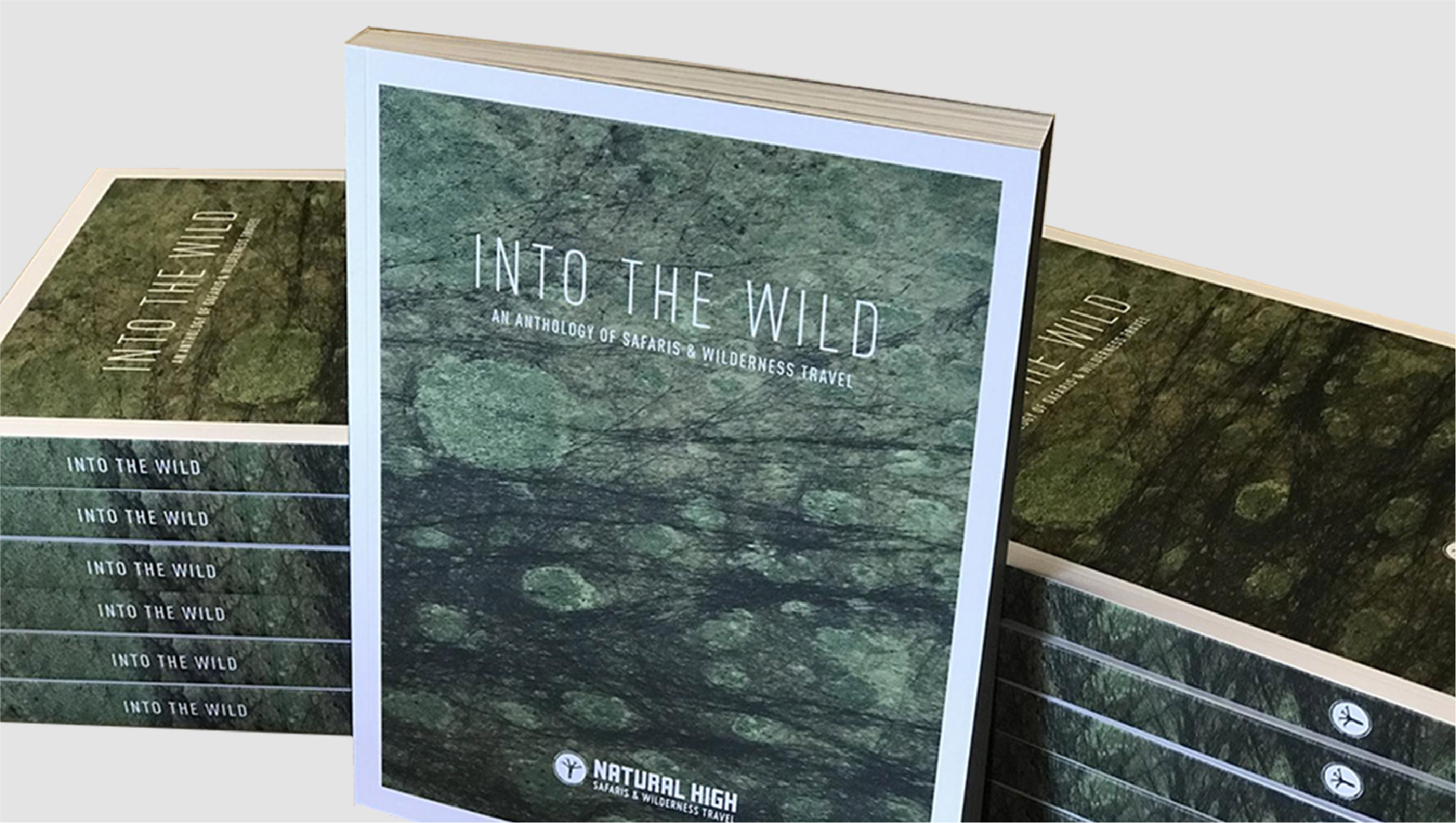
Need some more inspiration? Request a copy of Into The Wild, our comprehensive anthology of safaris and wilderness travel.