

Wildebeest Migration
When, where and how to experience one of nature’s most dramatic phenomena.
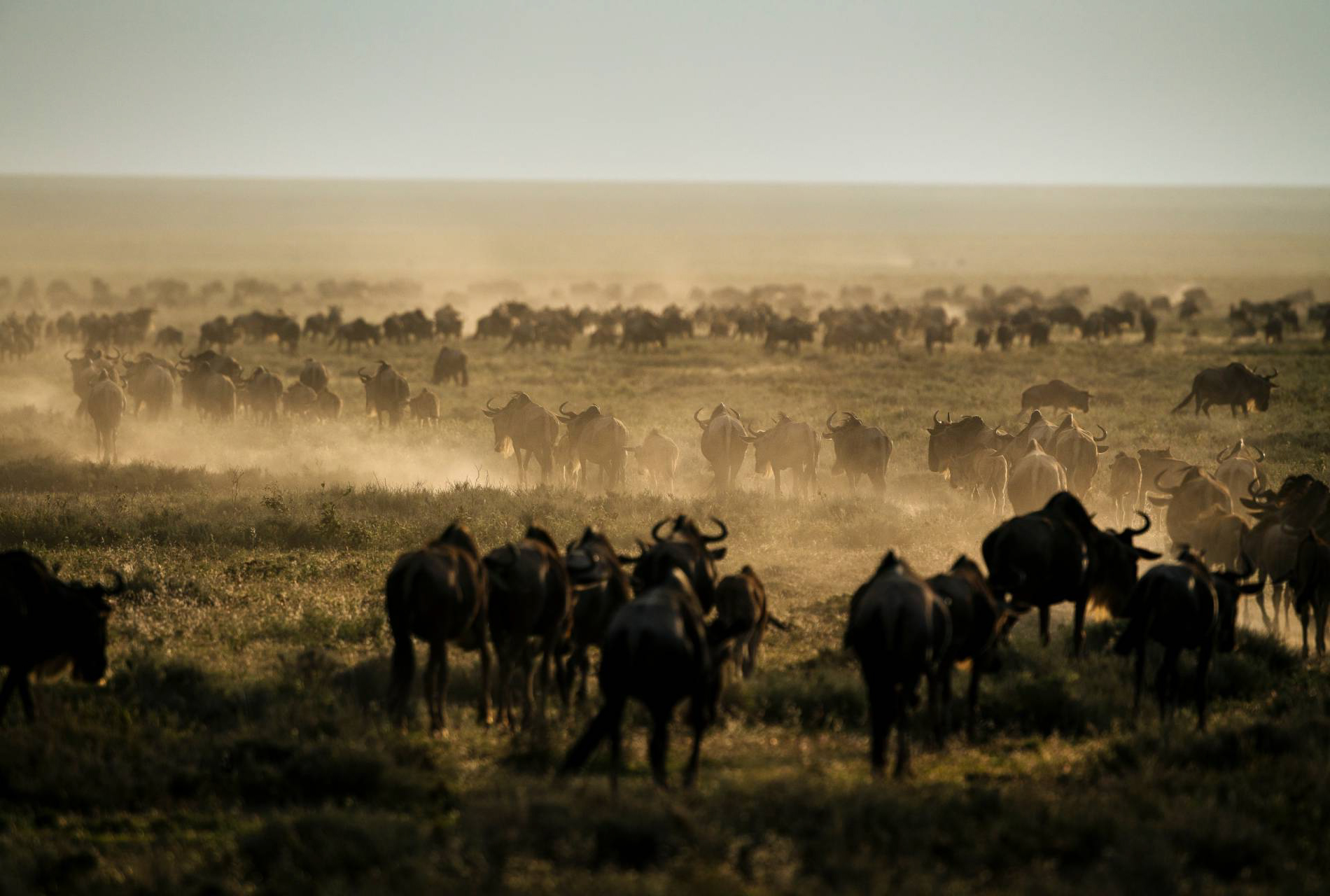
About the Wildebeest Migration
Epic. Awe-inspiring. Breathtaking. There are times when even the biggest superlatives fail you.
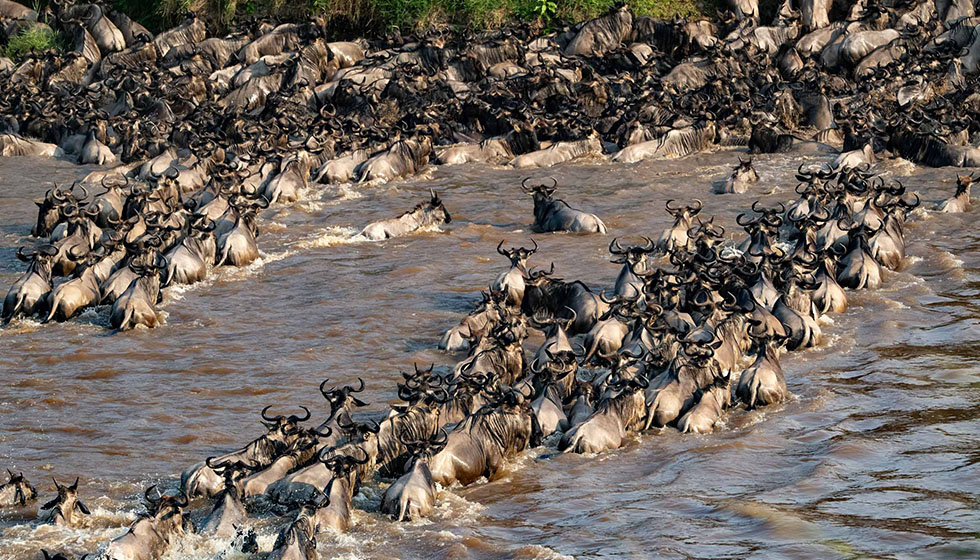
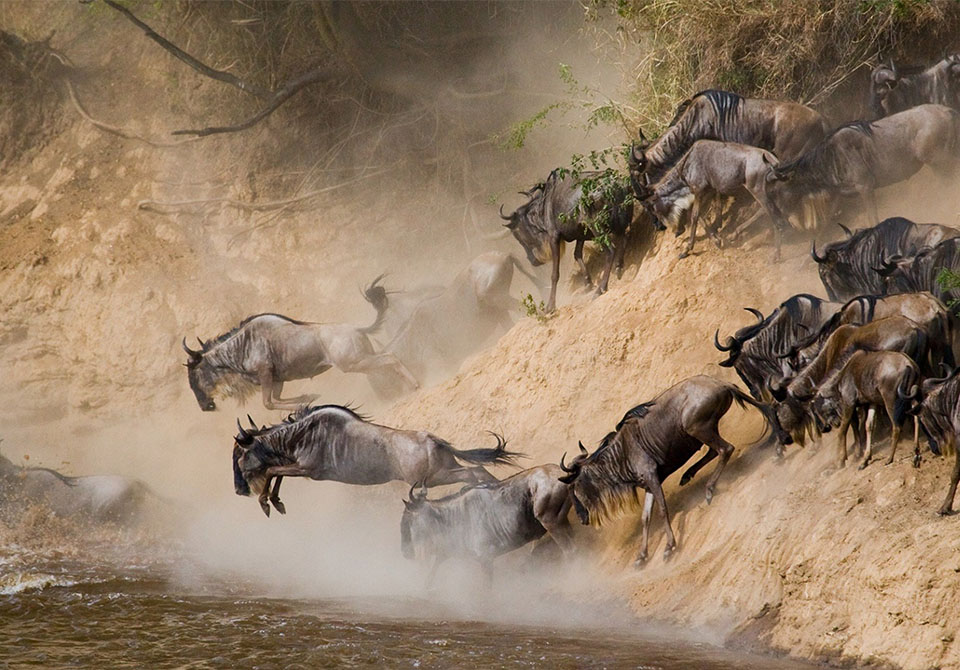
In many ways, the world famous crossings of the Mara River in the Northern Serengeti have become the iconic safari event. For sheer drama and scale it’s hard to beat the experience of watching thousands of wildebeest doggedly braving the swollen river – not to mention the monster crocodiles that live there.
However, in the rush to get to the heart of the action it’s worth understanding how the migration works from month to month and – as importantly in our view – which areas of the Serengeti are worth considering precisely because the migration has left town.
Understanding which areas of this vast park have outstanding resident game year-round can reveal one or two real hidden gems that will keep you a step ahead of the crowds.
The iconic crossings of the Mara River are just one dramatic moment in an annual event featuring over a million wildebeest and hundreds of thousands of zebra and gazelles, not to mention attendant predators and birdlife.
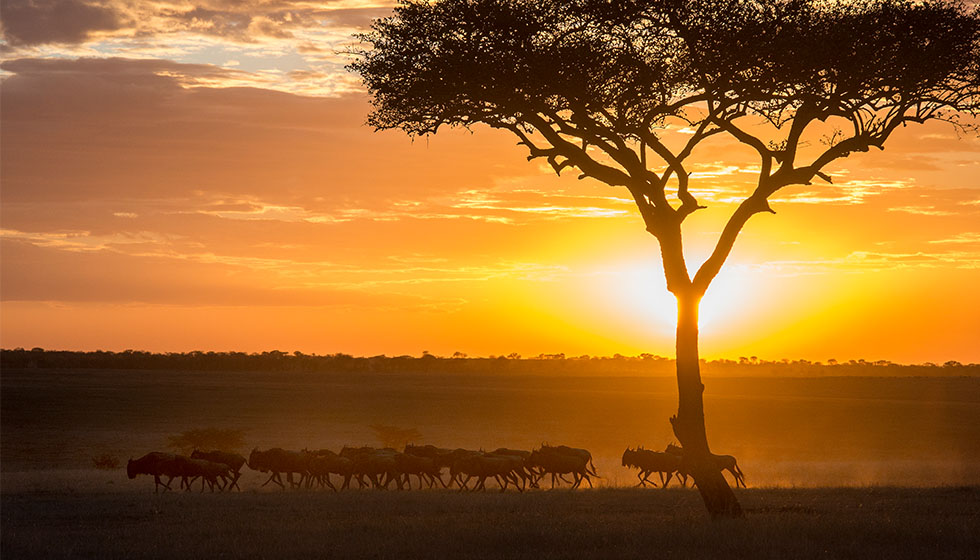
Each year, in response to local rains the herds move off the southern plains of the Serengeti, travelling in a clockwise sweep through the Serengeti Western Corridor before reaching their dry season range in the Northern Serengeti and Masai Mara. Here, rains from Lake Victoria keep this area full of nutritious grasses throughout the dry season.
+ Read More
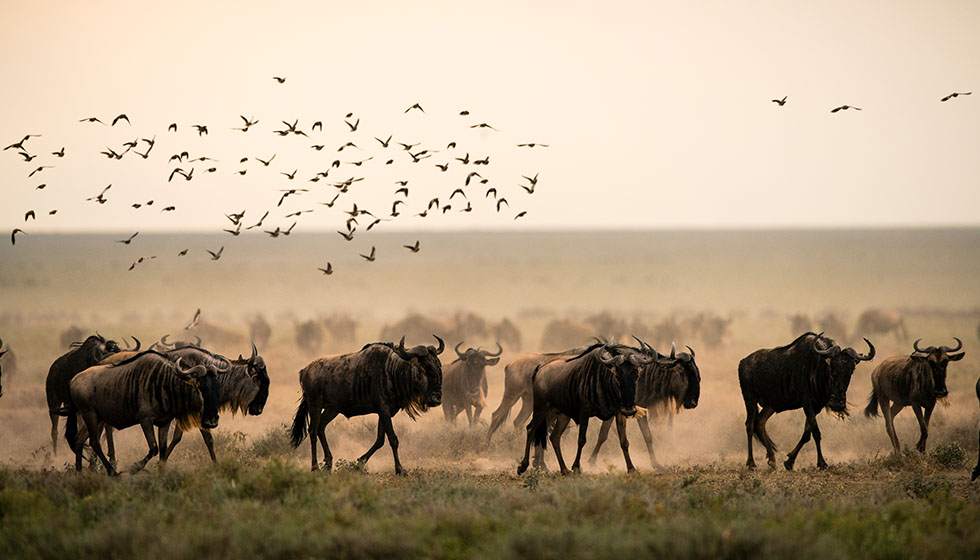
- Epic river crossings across the Mara River
- The calvings on the southern plains of the Serengeti
- Walking safari following the great migration
-
 ATOL Protected
-
24/7 Guidance & Support
-
20+ Years of Experience
-
We take care of the leg work
-
We find you the best deal



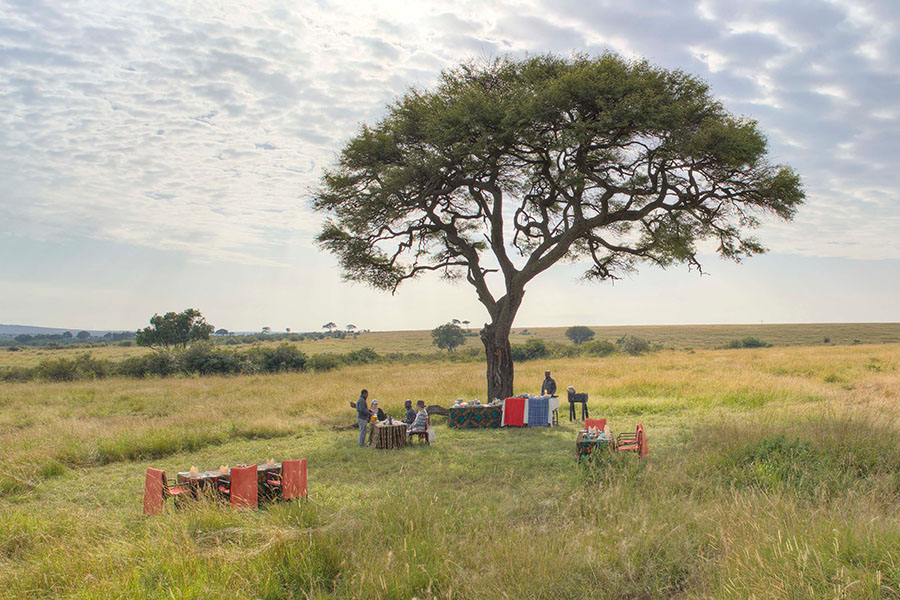
The calving (birthing) season
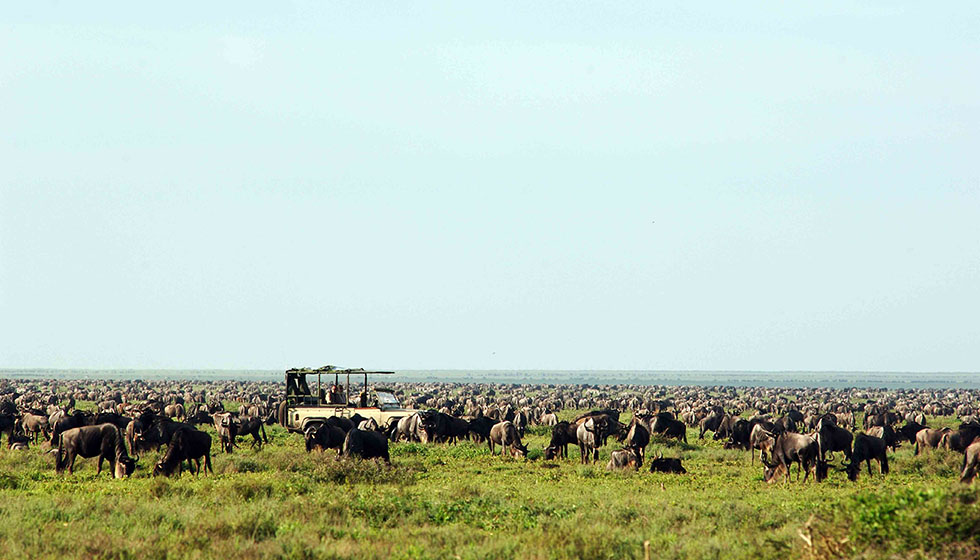
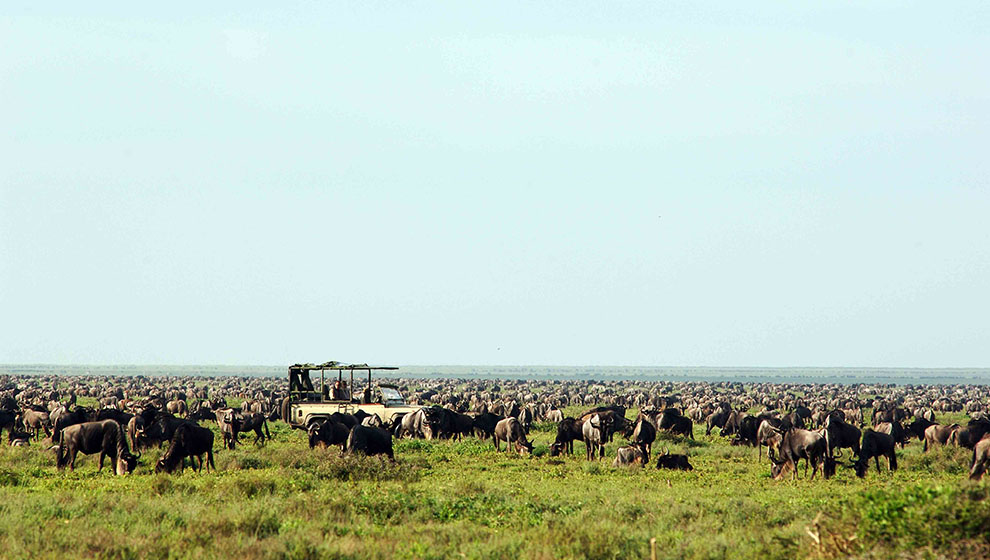
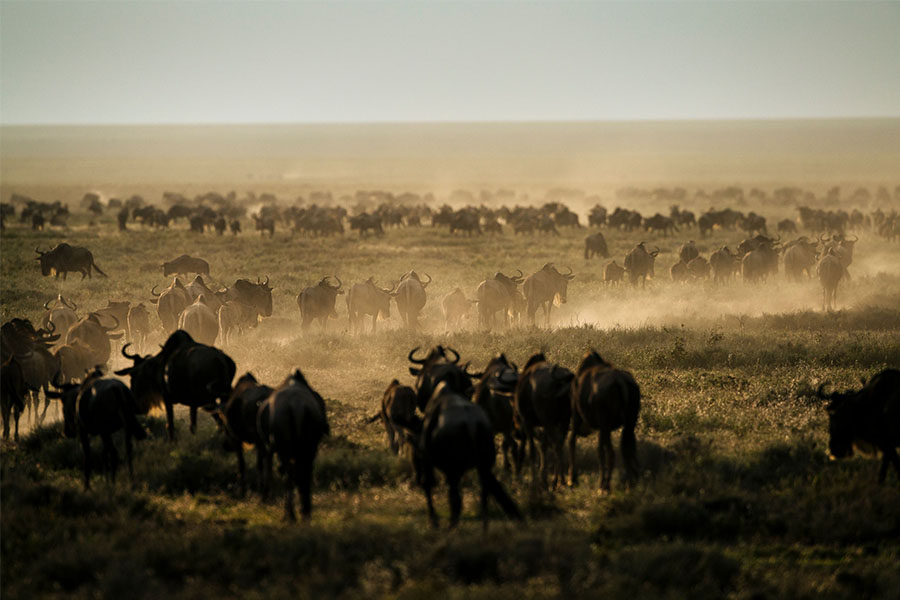
December – April Southern Serengeti & Ndutu area of the Ngorongoro Conservation AreaEvery year in mid-February, roughly a million wildebeest gather on the short grass plains of the southern Serengeti to give birth. extraordinarily all 400,000 calves are born in the space of a few weeks.
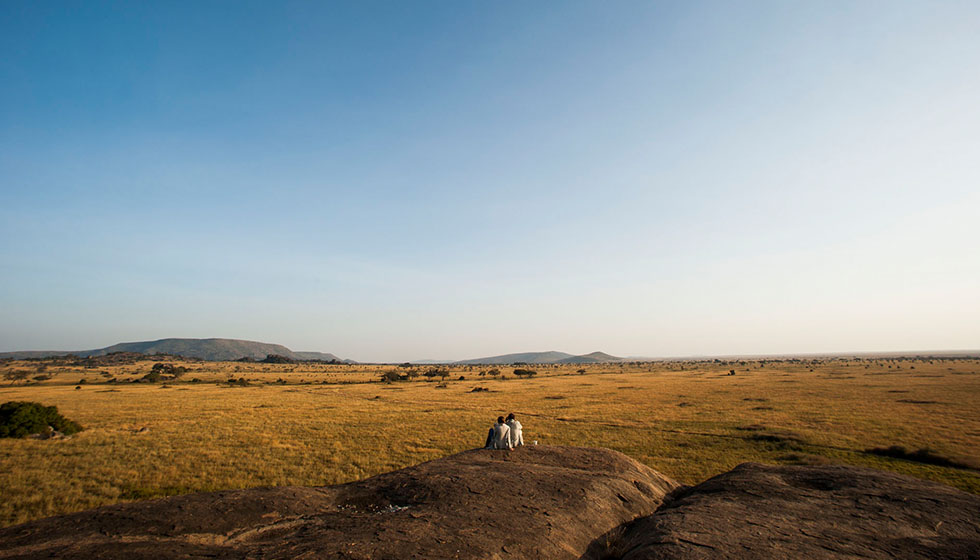
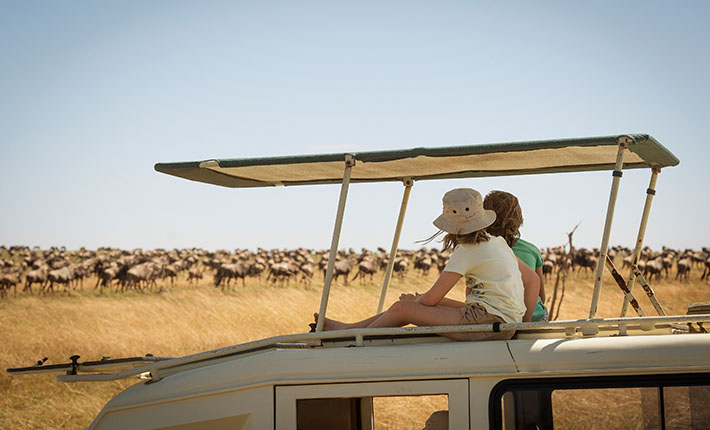
Anytime from December, the herds time their arrival with the return of the rains and linger on this nutrient-rich grass, stretching from the southern extreme of the Serengeti National Park (SNP) and into the Ndutu area of the Ngorongoro Conservation Area (NCAA). The plains cover many thousands of square miles, so the sense of space is overwhelming. You can drive for hours and never be out of sight – or sound – of wildebeest.
What to expect?
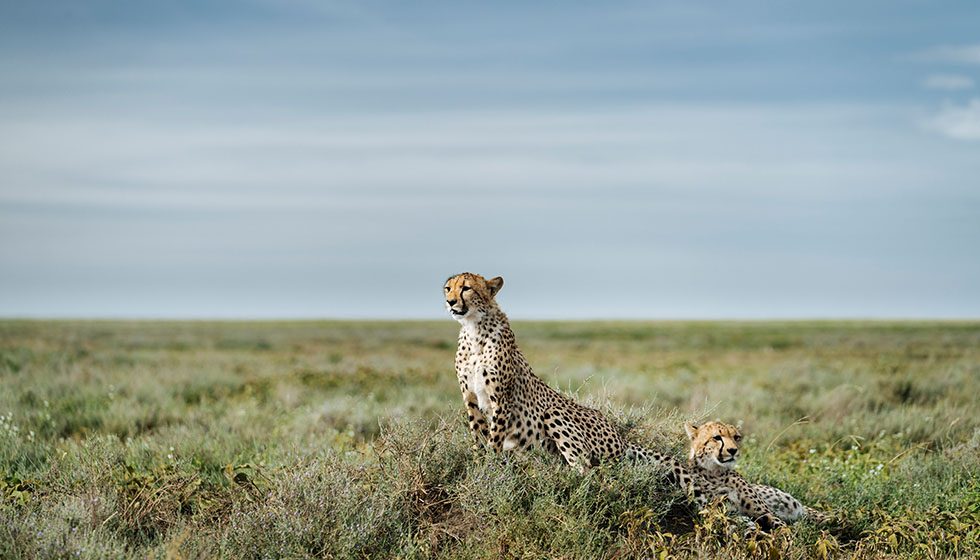
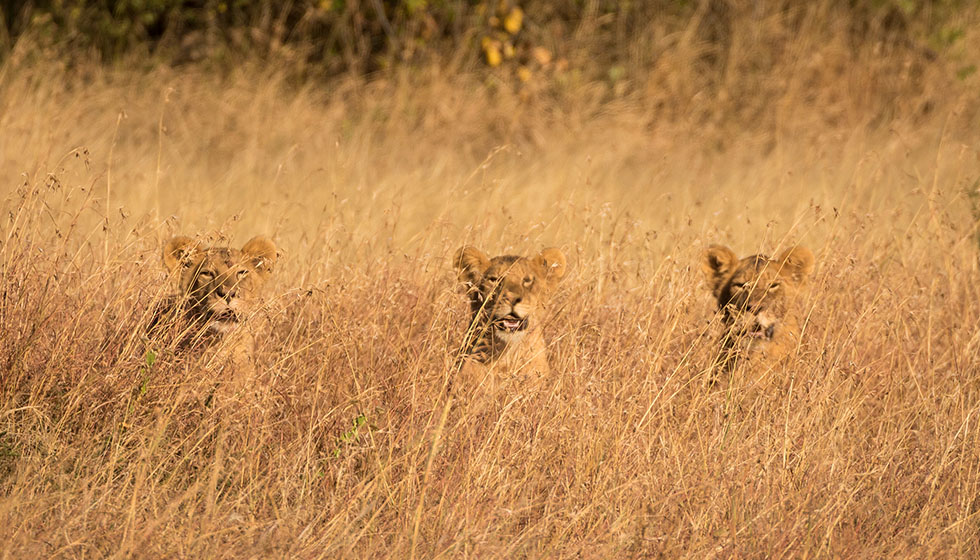
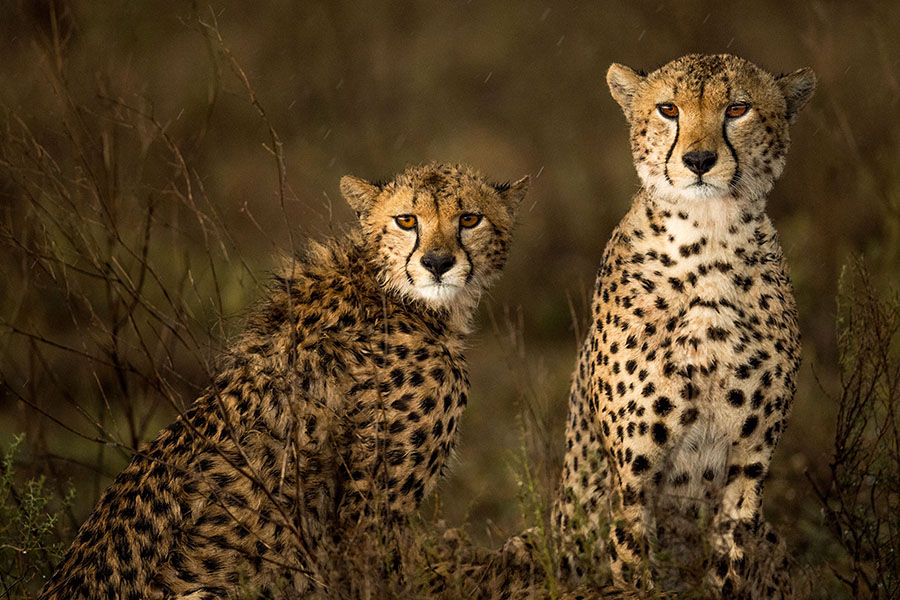
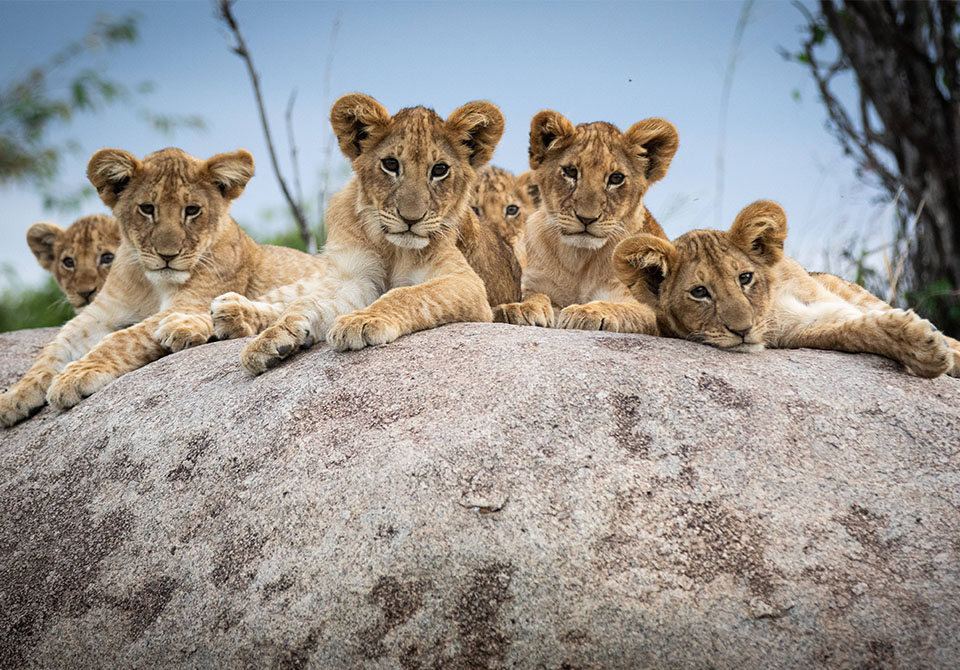
The wildebeest are only one part of the experience. Aside from the newborn wildebeest calves, the plains are alive with young animals of all kinds from plains game, to the numerous predators that follow the migrating herds; lion, leopard, cheetah and in particular hyenas that thrive at this time of year.
For many people, safaris are synonymous with the dry season, but the scale of this event puts most wildlife spectacles in the shade. And compared to the harshness of the dry, this is a time of vivid green, and plenty.
Where to stay
Both seasonal camps that move when the migration moves and will get you into the best, most remote parts of the Serengeti National Park.
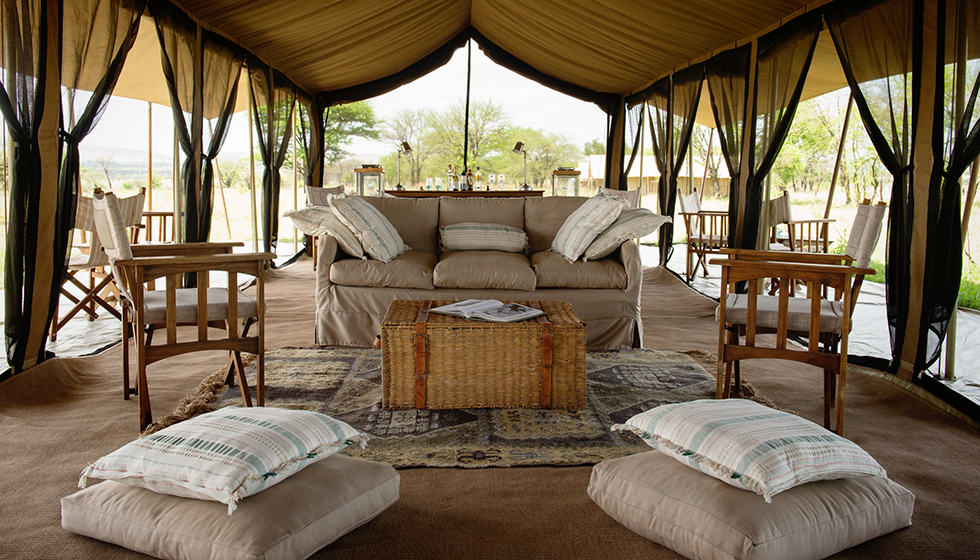
A luxury mobile camp that moves seasonally to position itself perfectly to follow the wildebeest migration as they move around this vast National Park.
Learn More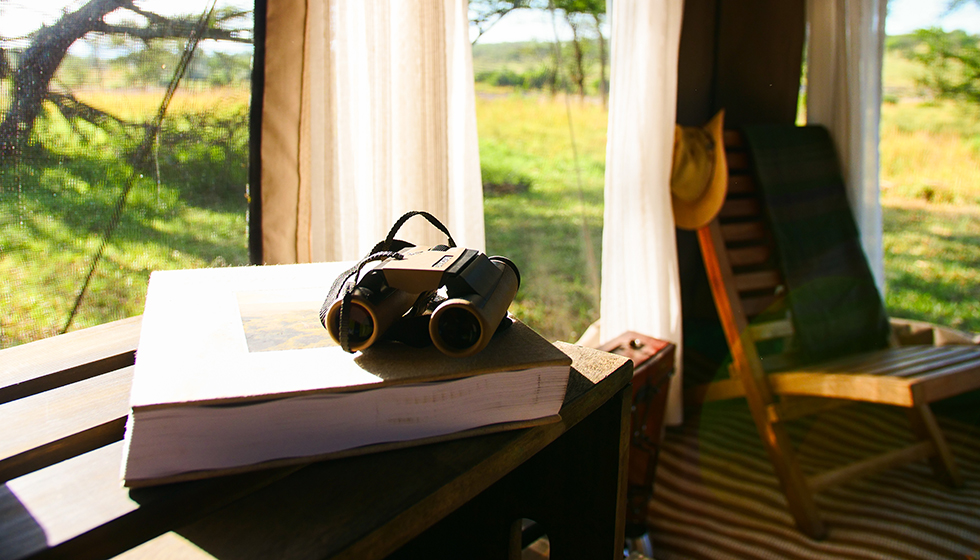
Imagine exploring Northern Tanzania’s parks and wildlife away from the hubbub of mass tourism, having the time to travel at your own pace.
Learn MoreThe Rutting
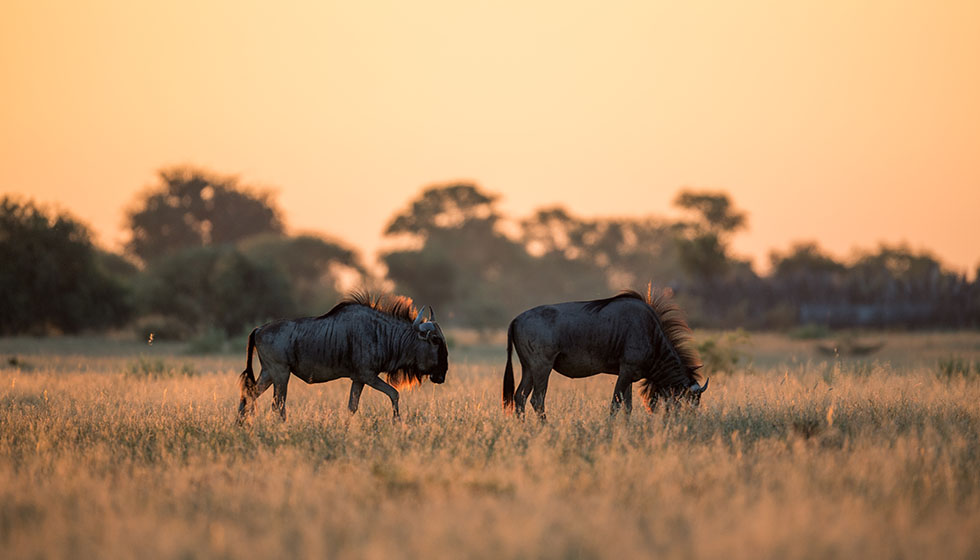
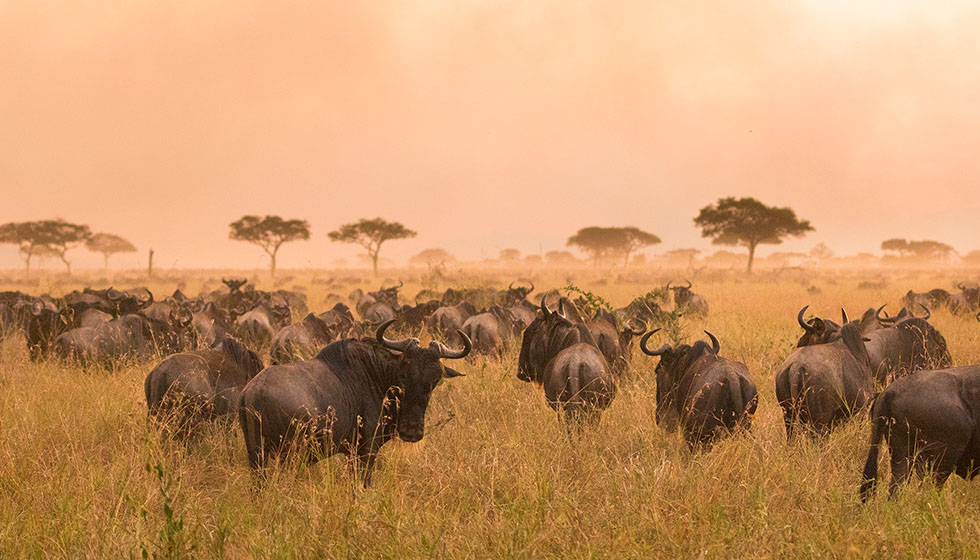
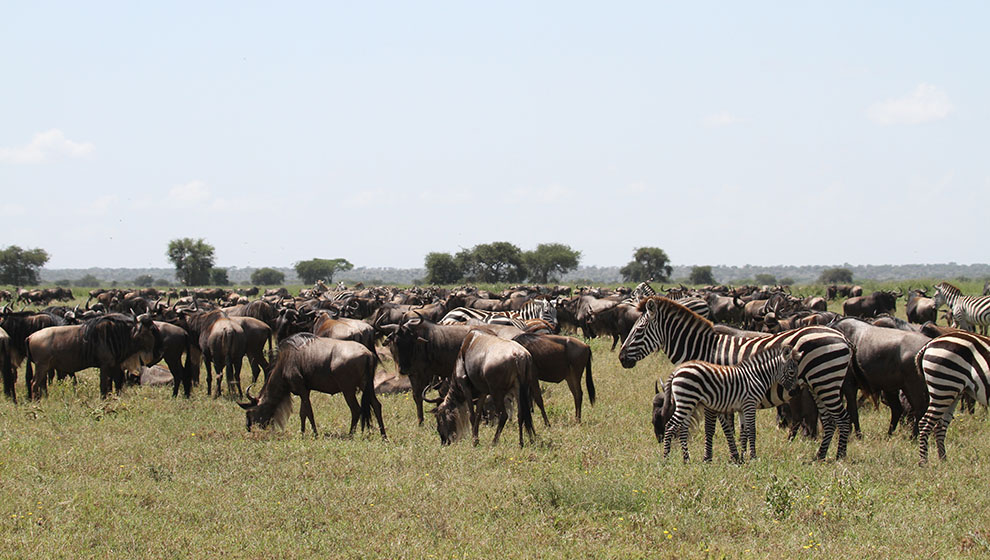
May – June Central SerengetiOne of our favourite times is late May when the herds in their hundreds of thousands begin to move off the southern plains on their long journey north.
May and June see a period of transition as the herds start to move north heading for the Mara River. May usually sees the herds move into the Moru kopjes and central Seronera Valley areas of the Serengeti National Park, but depending on the rains, we may also see herds further south still, or approaching the western corridor.
What to expect?
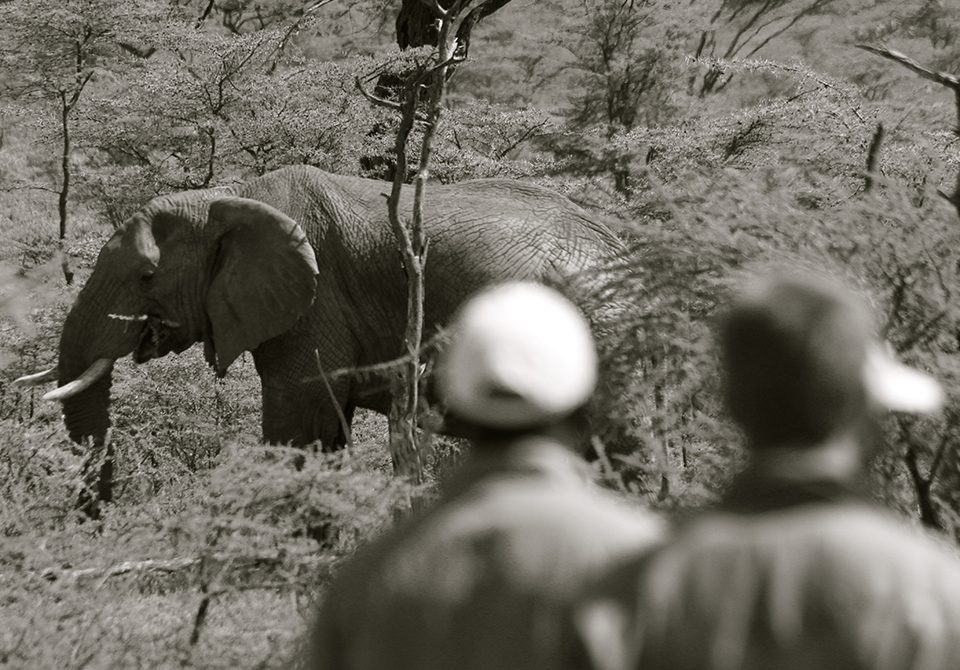
After a period of plenty, spent happily grazing on the mineral-rich grasses of the southern Serengeti the wildebeest are feeling a little bit frisky and are ready for action. Expect cavorting, showmanship, standoffs, the odd head to head tussle and long, long lines of wildebeest, looking purposeful, but heading in totally different directions. Also, at this time of year, you can expect not to see too many other tourists, which we really like.
Where to stay
These seasonal camps move into the Central/Western Serengeti as the migration starts to make their way north.
A luxury mobile camp that moves seasonally to position itself perfectly to follow the wildebeest migration as they move around this vast National Park.
Learn MoreImagine exploring Northern Tanzania’s parks and wildlife away from the hubbub of mass tourism, having the time to travel at your own pace.
Learn MoreThe River Crossings
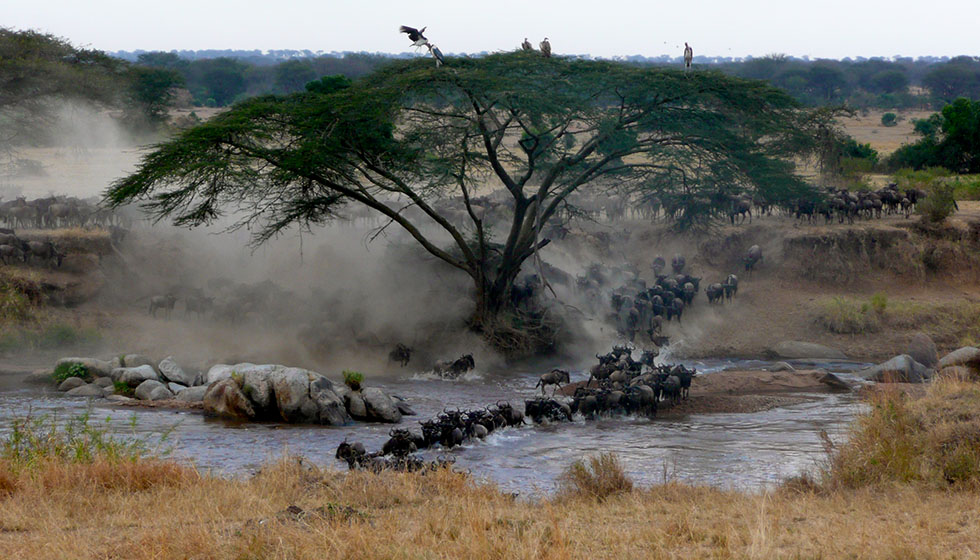
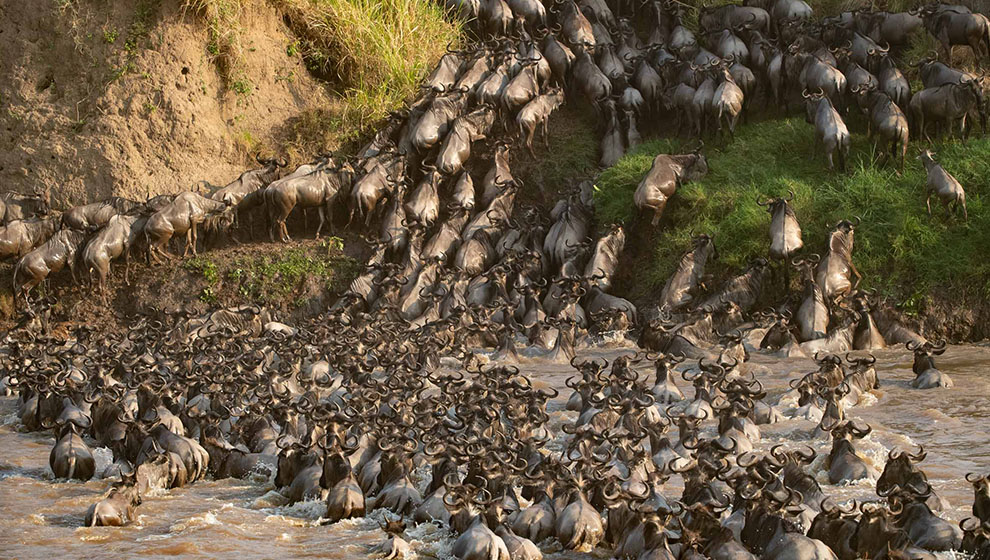
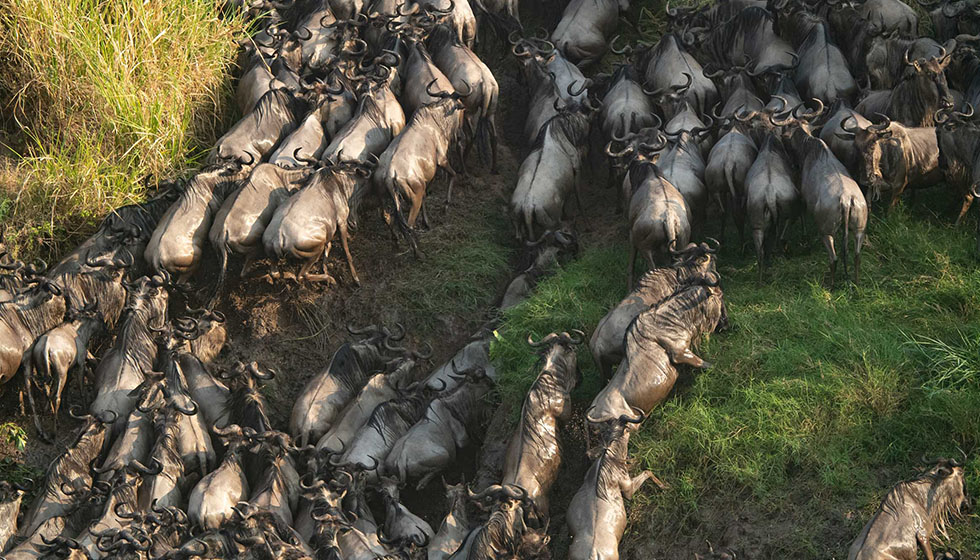
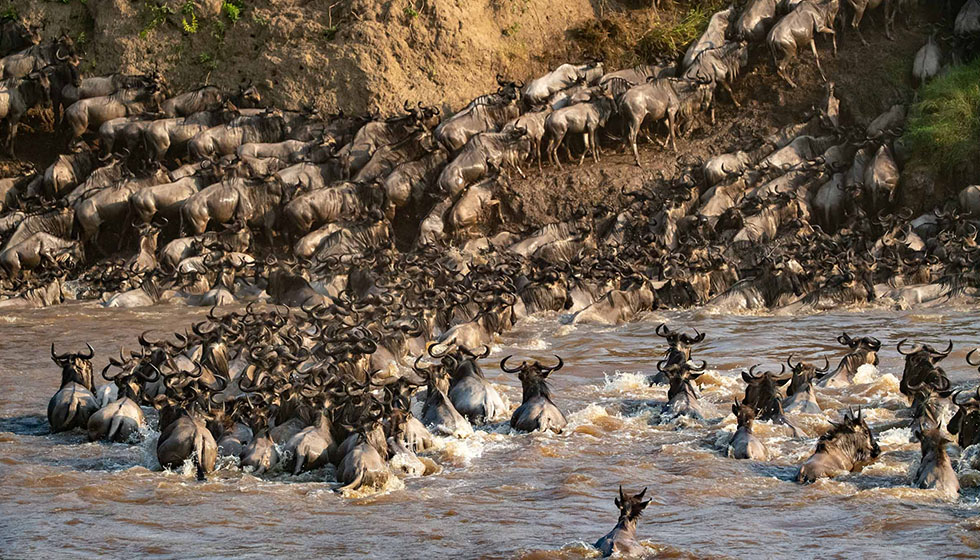
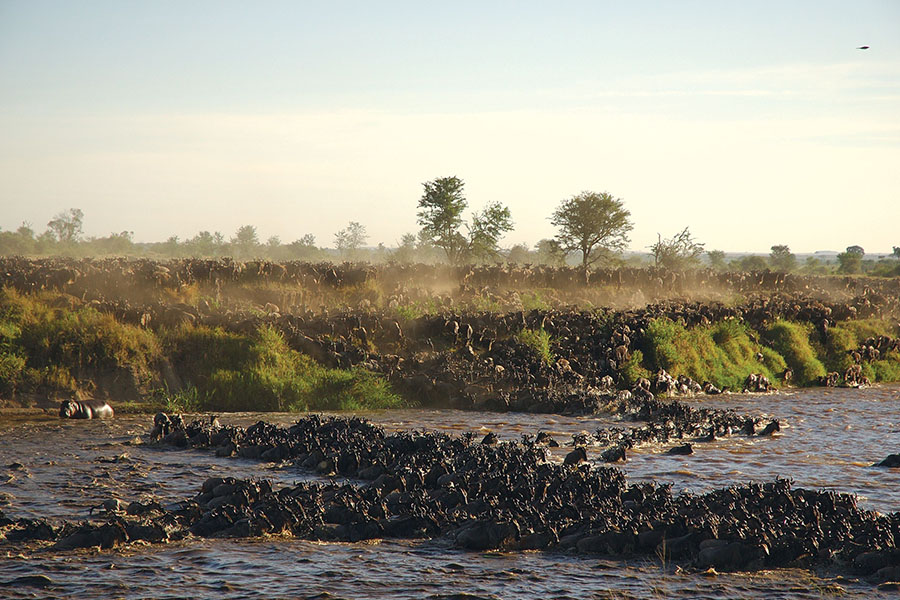
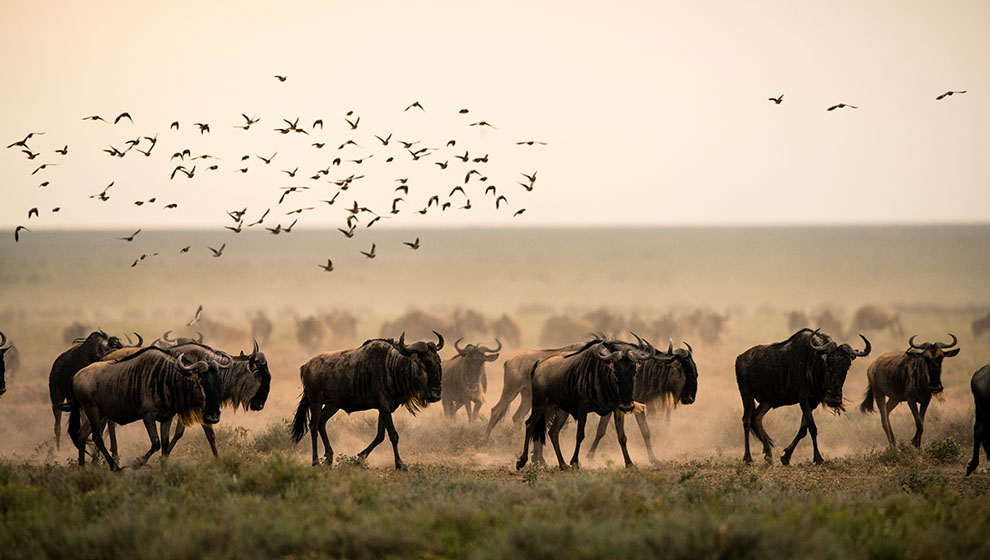
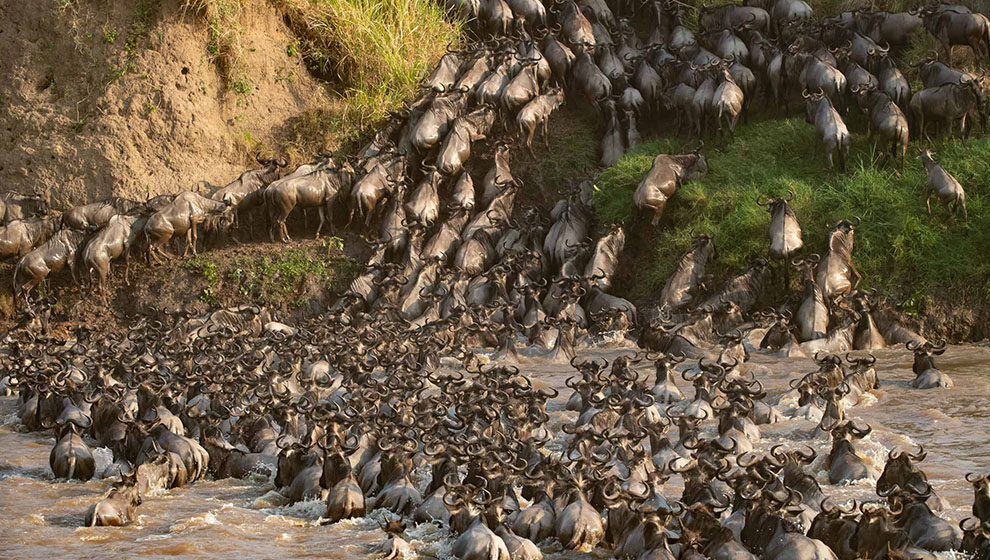
July – October Northern SerengetiEach dry season between July and October on the border between Tanzania and Kenya, hundreds of thousands of wildebeest brave the torrent of the Mara River and its fearsome crocodiles on their annual migration.
The Mara River runs more or less along the border of Tanzania and Kenya, separating the Serengeti National Park from the Masai Mara. This is where the main crossings happen in Tanzania and the majority of visitors to the Serengeti aim for the Kogatende area. This is partly because there are a number of well-used (wildebeest) crossing points here and partly because this is the only place where you can cross the Mara River by vehicle to the north bank (and the stunning Lamai Wedge). It’s also where the airstrip is.
On the other side of the river in Kenya’s Masai Mara there are crossings not only of the Mara River but also the Talek and other tributaries of the main channel. While visitor numbers to the Northern Serengeti have increased significantly in recent years, in our experience the greatest chance to experience a crossing without being surrounded by hordes of other vehicles is still on the Serengeti side of the border. An experienced, patient guide is essential to give the best chance of catching a crossing.
What to expect?
Unlike the Israelites crossing of The Red Sea, the Mara River crossings are not a single event, rather crossings happen throughout the dry season, as herds criss-cross back and forth chasing the clouds; but they are elusive, rapid and unforgettable experiences. Groups varying in size from a few hundred to tens of thousand cross the river and what’s amazing is that the vast majority of animals make it across unscathed, but their troubles rarely end there; lions frequently wait in ambush to greet the swimmers. If you’re after an action packed safari, this is it.
Where to stay
These two wonderful properties in position A for the river crossing. They are perfect for families looking for flexibility and comfort during their time in the Northern Serengeti.
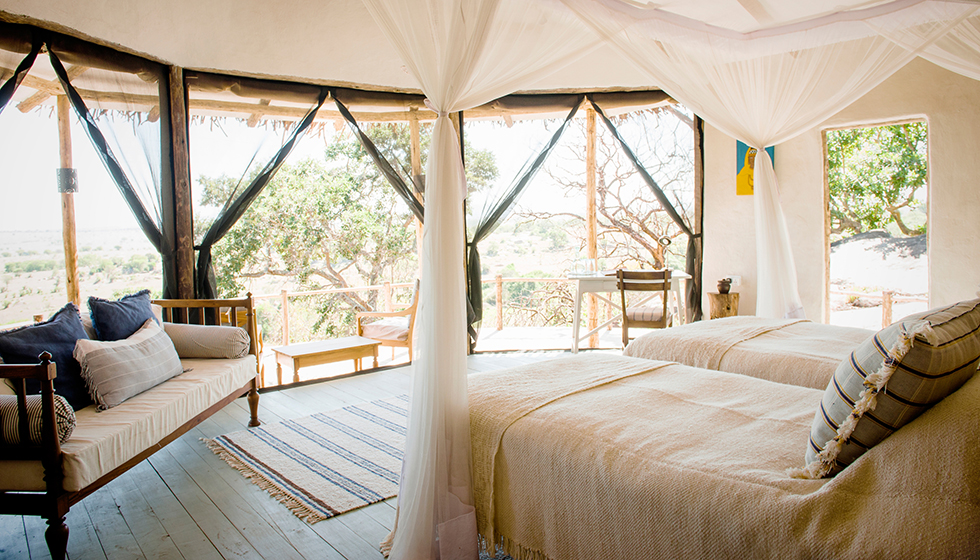
Nomad Tanzania’s Lamai Serengeti is a small intimate safari lodge amongst the large round boulders of the Kogakurjia Kopjes of the Northern Serengeti.
Learn More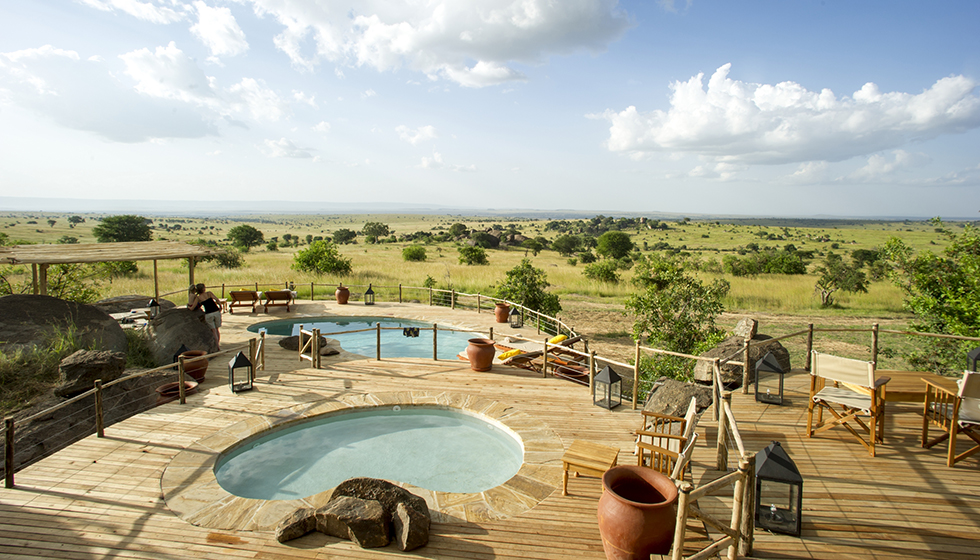
A wonderful stand-alone destination as a family retreat for a week, or a place for a group of friends to chill-out in together after a hard-core wildlife odyssey.
Learn MoreOn The Move
November – November Central SerengetiAs the short rains fall, renewing more fertile grazing further south, the herds begin to move south.
November is an unpredictable month when herds can be as far south as Ndutu or remain in the north for much of the month.
What to expect?
The herds will often split and take several different routes to the south and central Serengeti/Moru kopjes can be an excellent base to reach large herds. Combining locations or seasonal camps over this period is often a smart way to keep up with nature.
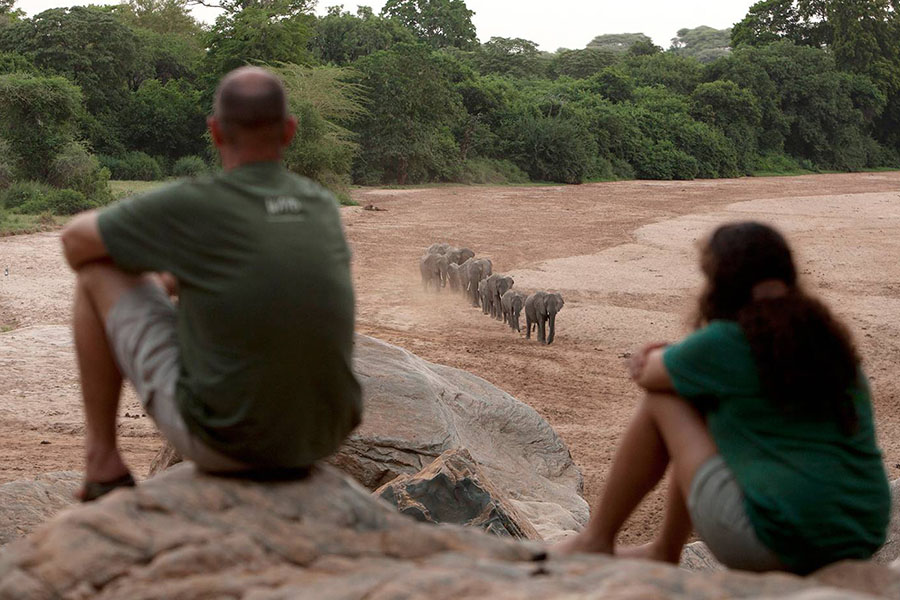
Where to stay to see the Wildebeest Migration
A luxury mobile camp that moves seasonally to position itself perfectly to follow the wildebeest migration as they move around this vast National Park.
Learn More Nomad Tanzania’s Lamai Serengeti is a small intimate safari lodge amongst the large round boulders of the Kogakurjia Kopjes of the Northern Serengeti.
Learn More A wonderful stand-alone destination as a family retreat for a week, or a place for a group of friends to chill-out in together after a hard-core wildlife odyssey.
Learn More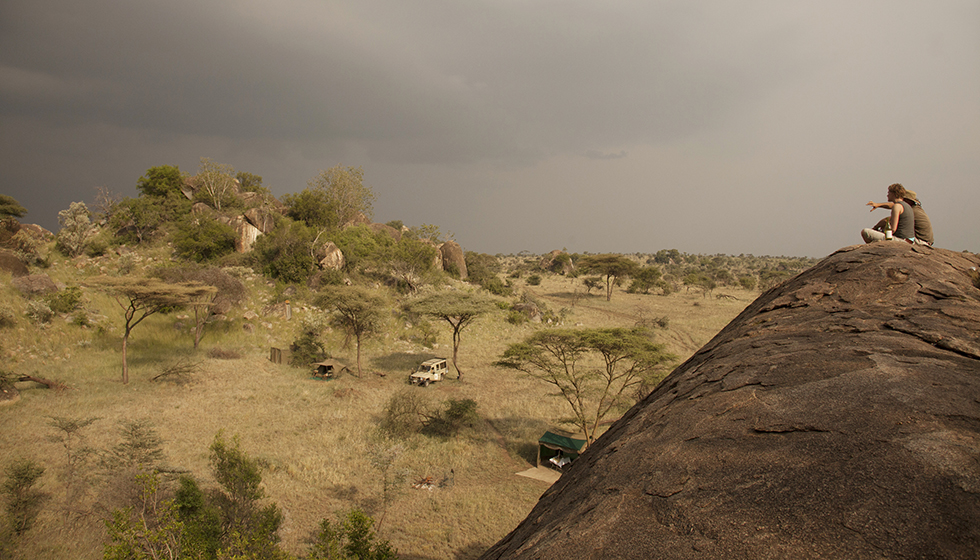
This camp is aimed squarely at folks who are after an outstanding wilderness experience that is both real and affordable.
Learn More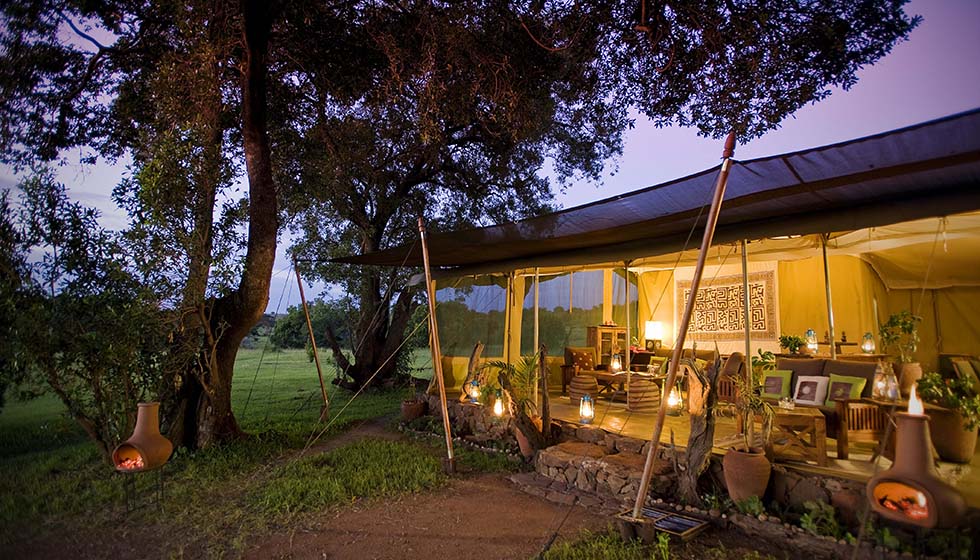
A well put together, traditional safari camp, and it’s somewhere you’ll get excellent game viewing and comfortable accommodation.
Learn More“Unlike the israelites crossing of the red sea, the mara river crossings aren’t a single event, but happen throughout the dry season – in all directions.– Natural High
Lodge or Mobile camp?
As you will have already gathered, the migration is a moving feast (literally!), covering hundreds of kilometres.
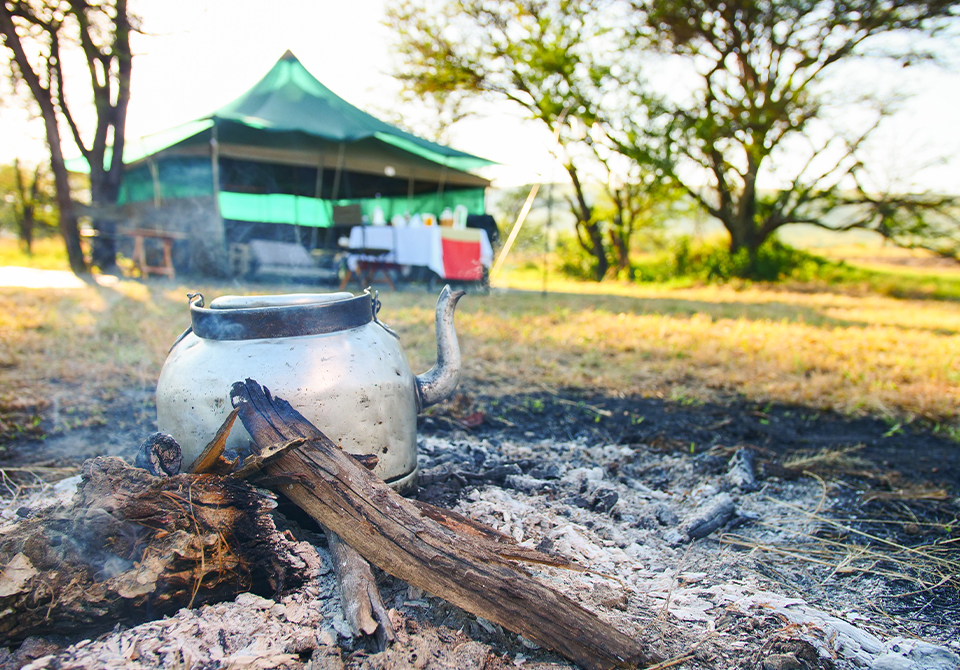
Lodges such as Nomad’s Lamai Serengeti offer an outstanding mixture of safari authenticity with real creative flair and all the trappings you’d expect of the best luxury hotels. These lodges are generally small and well placed to get you to the heart of the action. If you’re after the maximum safari flavour, our advice would be take the chance to spend at least a couple of days under canvas while in the Serengeti.
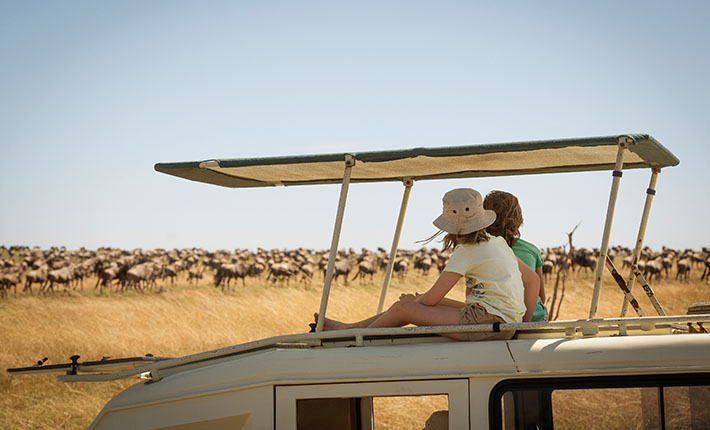
Seasonal camps – the migration moves and so do the camps
Seasonal camps relocate every few months so as to remain within striking range of the herds. It’s important to realise that the camp won’t move while you’re staying.
Between December and March expect to be in the Southern Serengeti close to the short grass plains of Ndutu. Between April and May many camps are located out to the west close to Moru Kopjes or the edge of the western corridor. Between July and late October expect to be in the far north of the Serengeti.
Be clever and look beyond the crowds
The wildebeest migration is such a well-known event that it tends to dominate peoples’ view of the Serengeti.
Most people plan their visit in relation to the migration, but in doing so overlook the enormity of the park and the incredible game viewing available in many places once the migration has moved on. Nowhere is this more true than in the Northern Serengeti between November and March, where your chances of seeing the Big Five are as good as anywhere in Tanzania. For the canny this creates a great opportunity to enjoy vast wild areas teaming with wildlife without the attendant crowds.
The Migration (FAQs) Need to know
Why do wildebeest migrate?
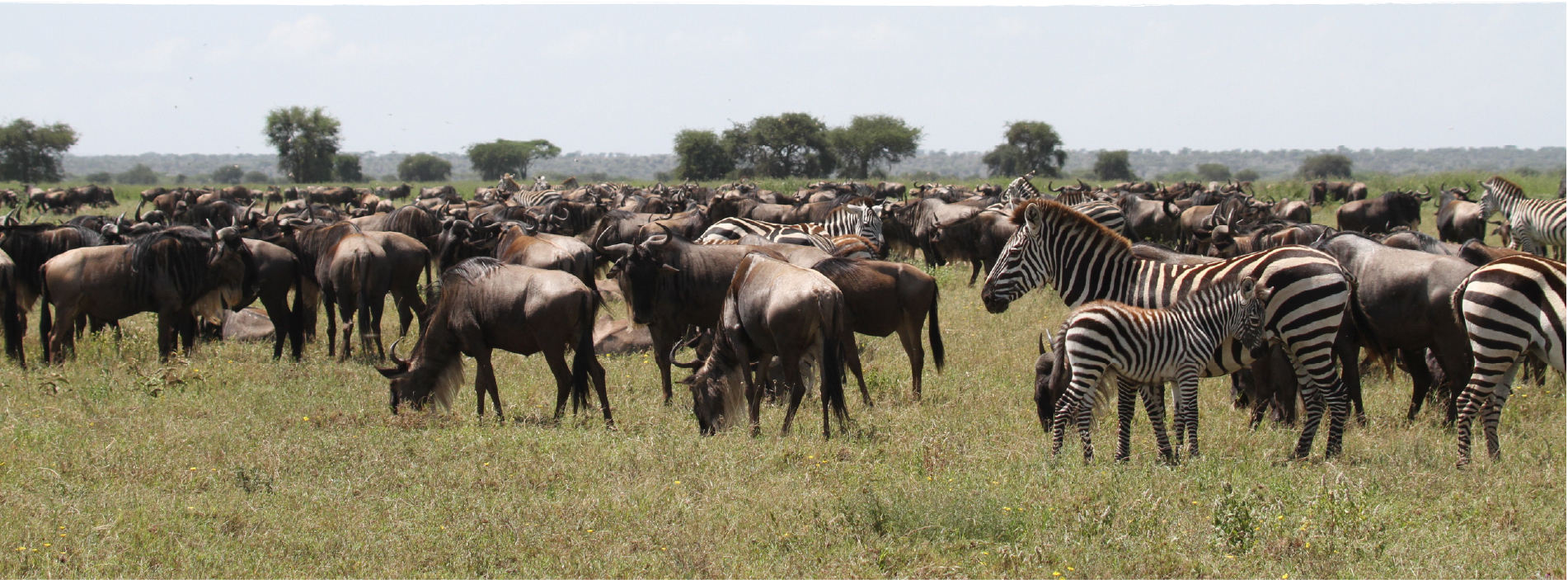
Over the year the animals move from their wet season range on the southern and eastern plains of the Serengeti, to the dry season habitat in the north of the park both north and south of the Mara River. It involves not only something in the region of 1 million wildebeest (estimates vary considerably year on year) but also an estimated 200,000 zebra and 400,000 gazelles. While they do their best to look purposeful, the herds don’t travel directly, but instead meander in a vaguely clockwise direction moving between the patches of fresh green grass that emerge in response to localised rain showers.
What’s the key to a successful migration safari?
In many ways, the wildebeest migration is the most dramatic wildlife spectacle in the world, but before you rush to get to the heart of the action it’s worth understanding how the migration works from month to month and therefore which are the best areas to head to. Each element of the migration cycle brings different safari experiences. Like most wildlife encounters, much is about luck and patience so make sure you have an excellent and experienced guide who knows the area like the back of their hand.
How can I avoid the crowds on the Wildebeest Migration?
One of the very best things to do, particularly if you’re travelling with a group of friends or your family, is to take a private tented camp in the Serengeti. From an island of secluded civilisation you get the most extraordinary access to outstanding wildlife areas. Free from the crowds that are a feature of the large safari lodges, the sound of generators and the harsh and unsympathetic lighting that shatters views of the African night sky. What’s more it’s about as different to everyday life as you can get.
From Our Travel Guides







Meet Our Travel Experts
It takes genuine local knowledge to craft trips that go beyond the ordinary. The Natural High team have unrivalled experience and will take your ideas and turn them into your trip of a lifetime.
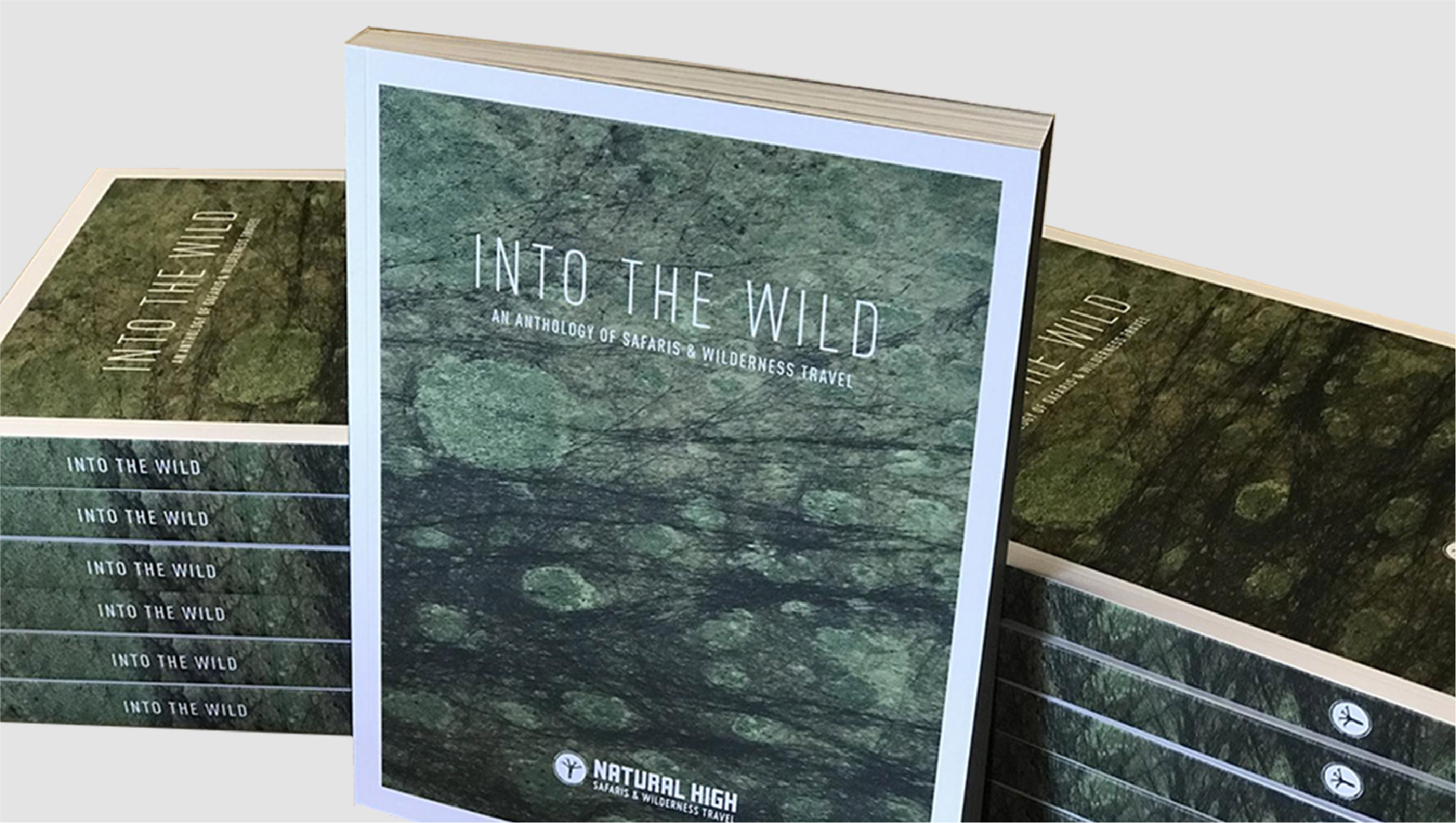
Into The Wild Brochure
Need some more inspiration? Request a copy of Into The Wild, our comprehensive anthology of safaris and wilderness travel.