

Ngorongoro Crater Safaris
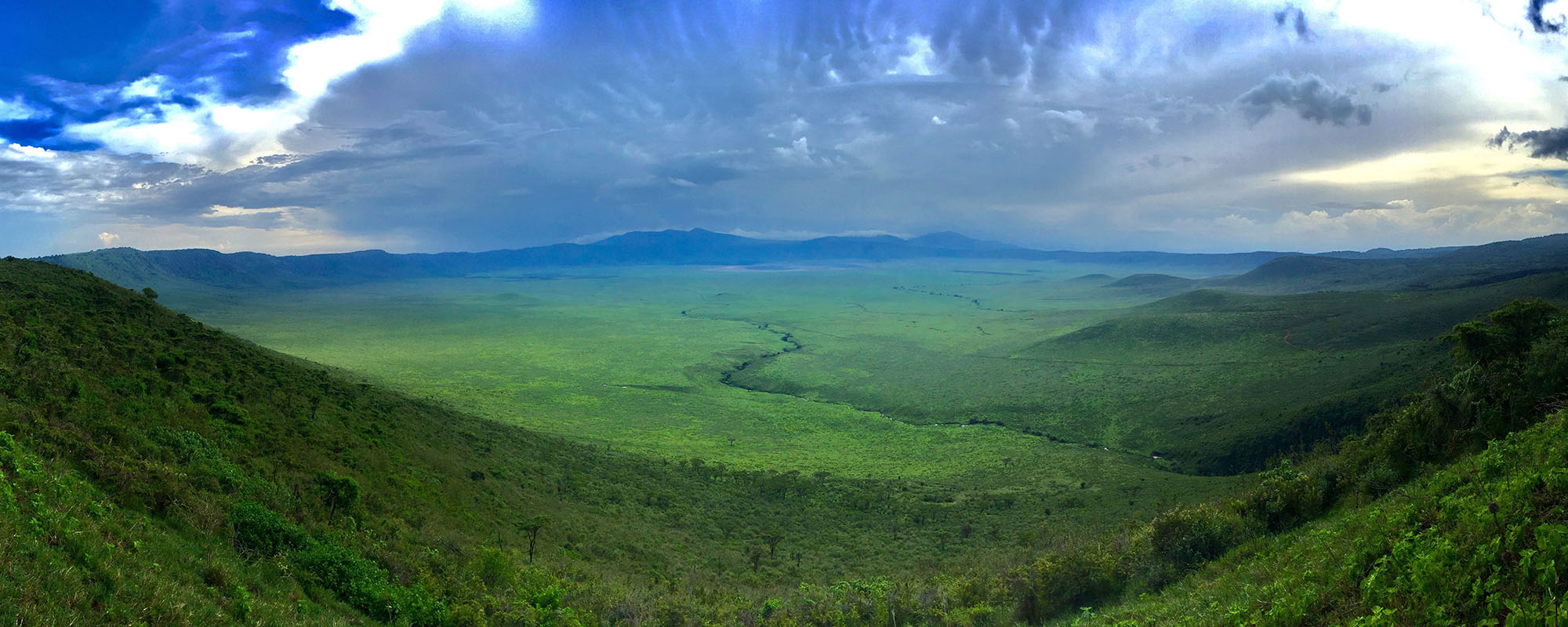
The Ngorongoro Crater is one of those sights you have to see to believe. The difficulty here is remembering that what you’re looking at isn’t artificial.
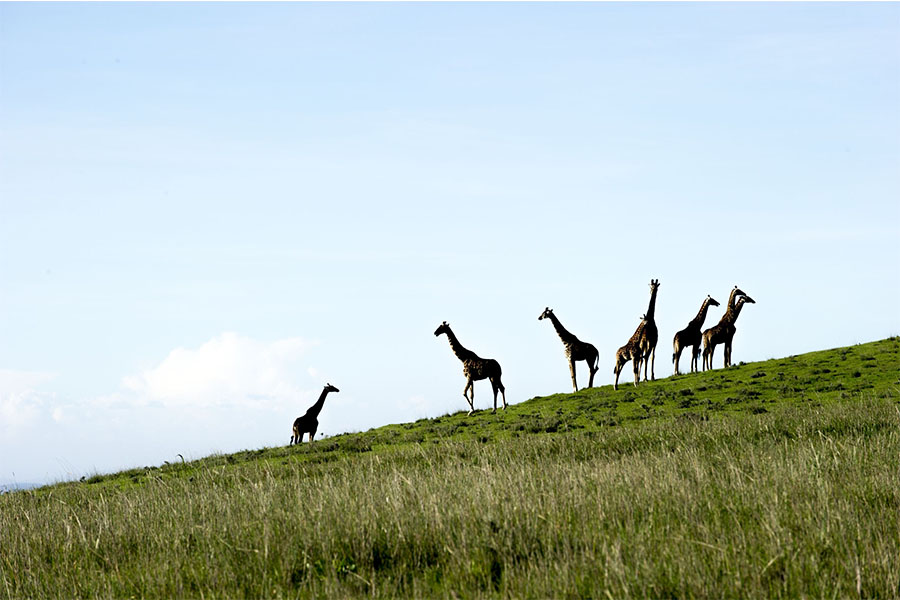
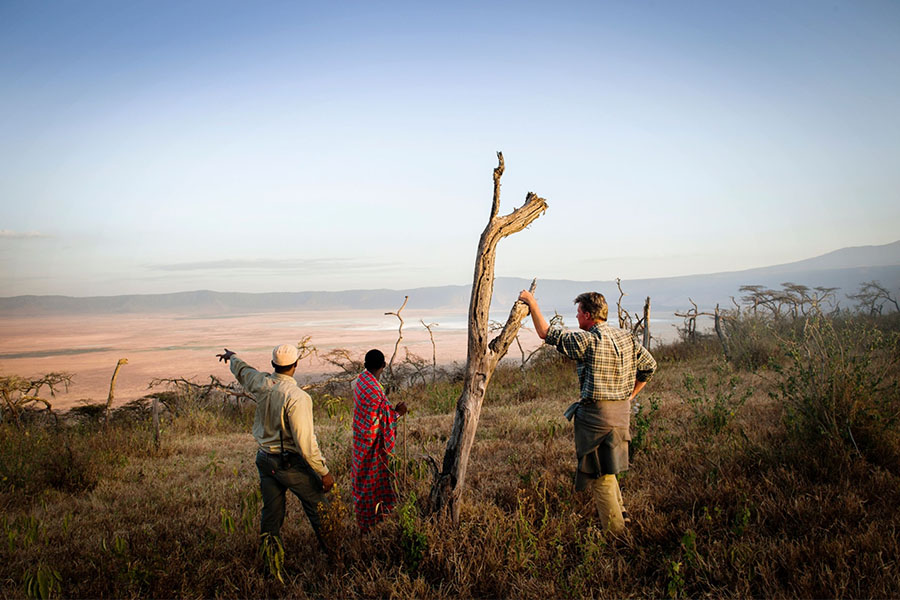
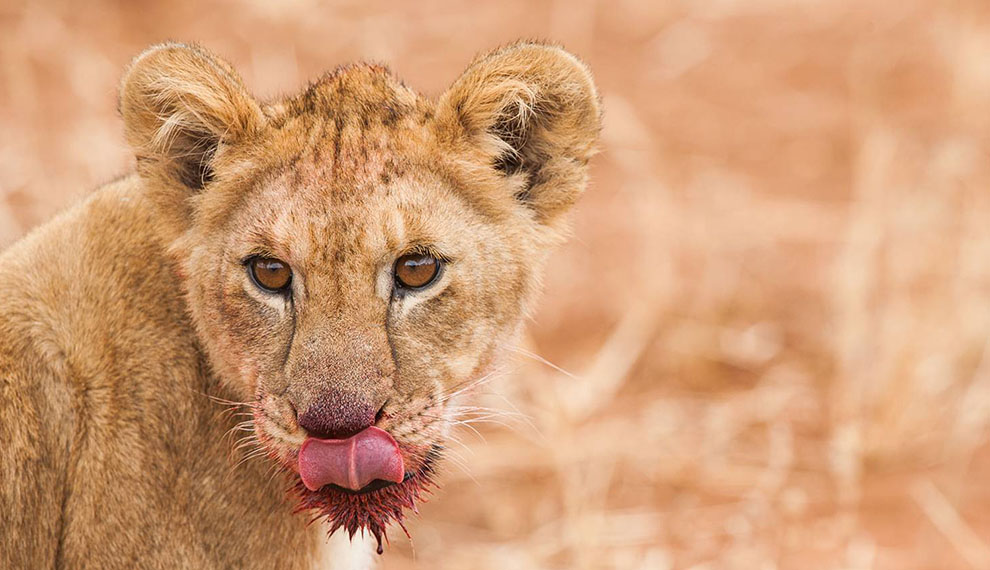
Formed with the collapse of a volcano (rivalling Kilimanjaro in height), it’s been preserved as a perfect bowl, measuring at 18 km across and 260 square km of ground. Within this relatively small space, most of the major east African habitats and mammal species can be found, such as elephant, leopard, rhino and lion. You have an incredibly good chance of encountering a variety of species on your Ngorongoro safari, with the crater boasting the highest density of lions in the world. Most of the animals at Ngorongoro, though totally wild, are used to cars which means they can be observed without disturbance.
The Ngorongoro Crater is an ideal stop on any safari itinerary and an excellent place to take children as intervals between animals are generally short and the game is often close enough that you won’t need to look with binoculars.
+ Read More
- Game drive the 260km crater floor
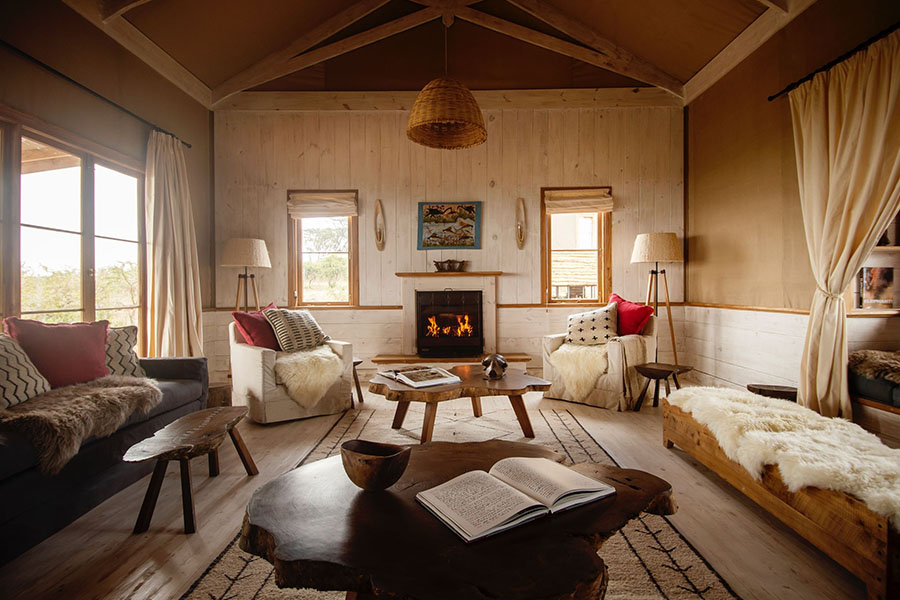
- Stay in a private camp on the crater rim
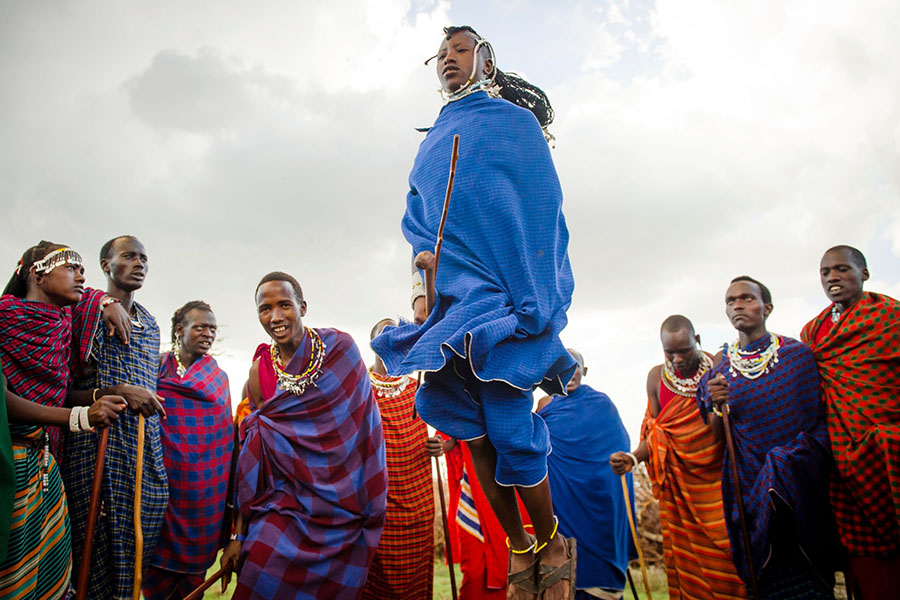
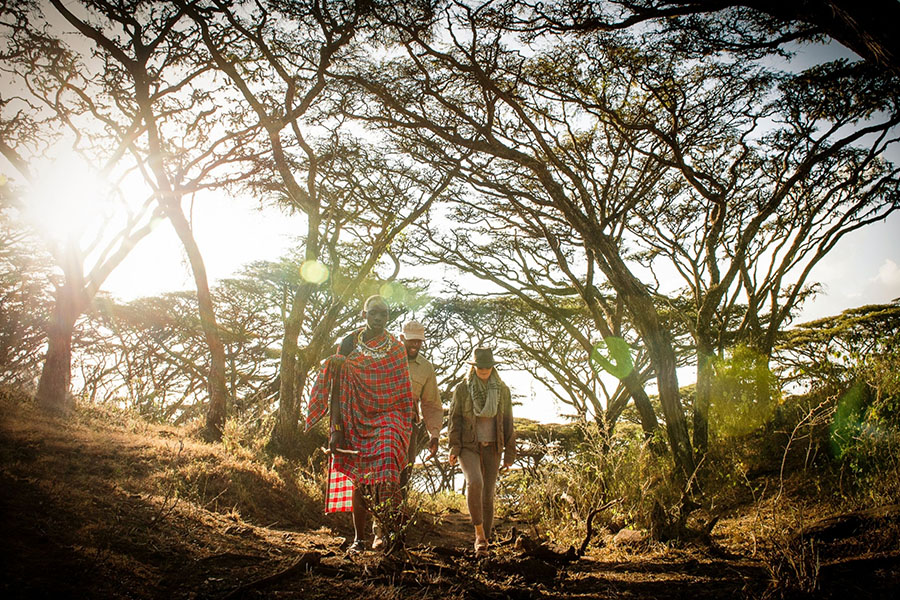
- Experience Masai culture
- Walk the crater rim
-
 ATOL Protected
-
24/7 Guidance & Support
-
20+ Years of Experience
-
We take care of the leg work
-
We find you the best deal



Best Time To Visit Ngorongoro Crater
Ngorongoro offers excellent game viewing year-round. The early dry season, June to August, is very popular with tourists as the grass and shrubs are generally shorter, making it easy to spot game.
There is also less chance of rain and a lot of sunny, warm weather. It can, however, be known for high winds and the low stratus cloud that often cover the crater, though this should not deter your visit.
Far from being something to avoid, the green season between November and May is arguably the best time in our view. It is worth recognising that the rains bring life, great air clarity and a richness of light to Ngorongoro and the surrounding highlands. Combine this with low season prices, fewer tourists, and the fact that wildlife is still abundant and you’ll see why the green season makes a great time to visit the area.
Best Time To Visit Ngorongoro Crater

Talk to our Experts
They’ll be happy to let you in on their travel secrets, and help you plan a tailor-made trip that’s truly unforgettable.
Our Favourite Camps & Lodges
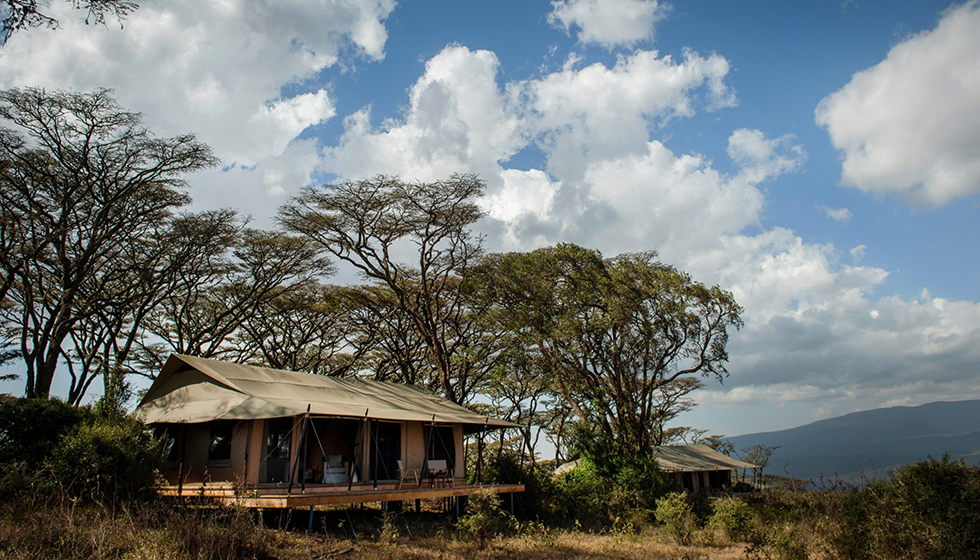
An understated luxury camp that sits atop the breezy rim of the Ngorongoro Crater, the world’s largest unbroken caldera and Africa’s most iconic wildlife destination.
Learn More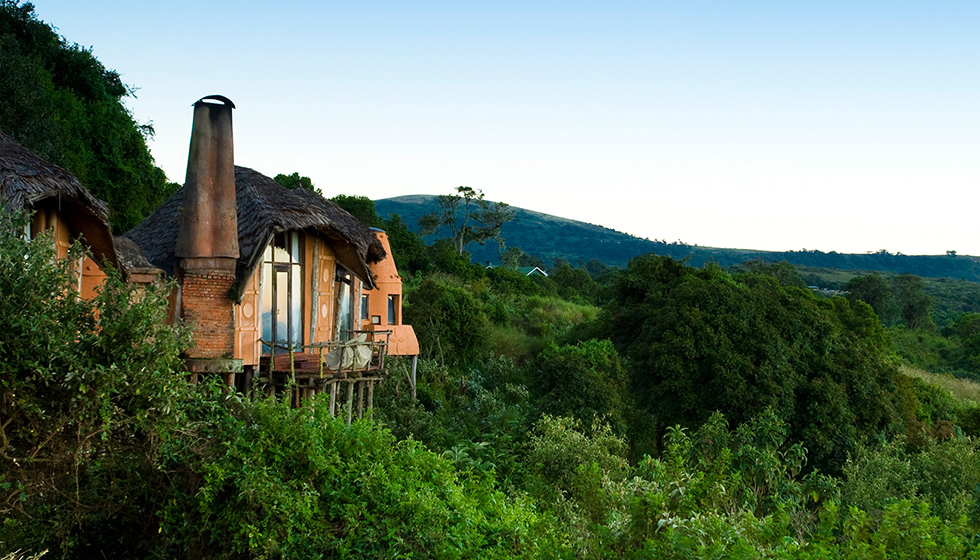
Ngorongoro Crater Lodge is an extravagant boutique lodge in one of the world’s more dramatic locations. A great place to spoil yourself, but not everyone’s idea of authentic East African safari.
Learn More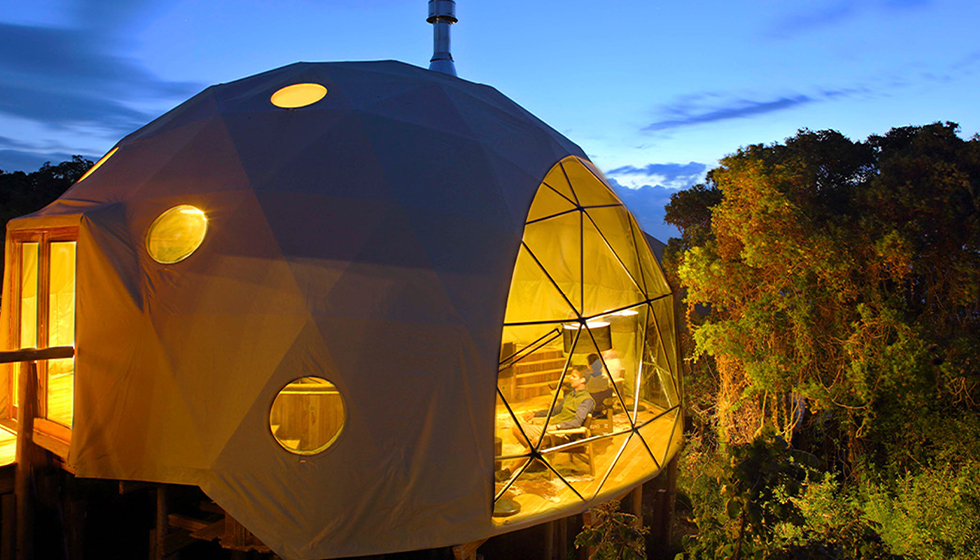
The geodesic domes that make up ‘The Highlands’ sit at 2,600m which is 200 meters higher than Europe’s highest ski resort and the whole place has a distinctly Nordic flavour, from faux-fur throws and wood burners to the sauna-like panelled bathrooms.
Learn More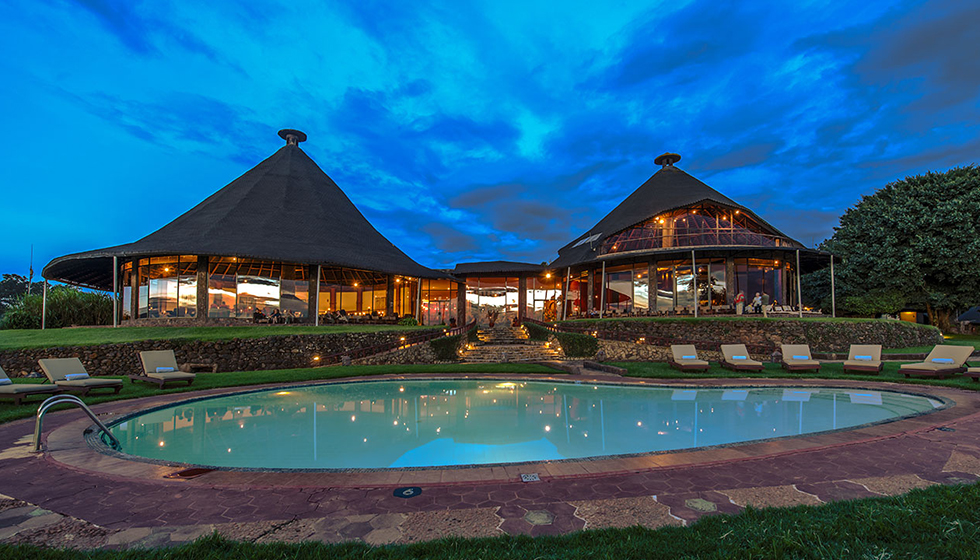
Ngorongoro Sopa Lodge can’t be described as one of the more inspiring lodges on the rim of Ngorongoro Crater, although from the point of view of access to the crater floor, this is definitely one of the best located.
Learn More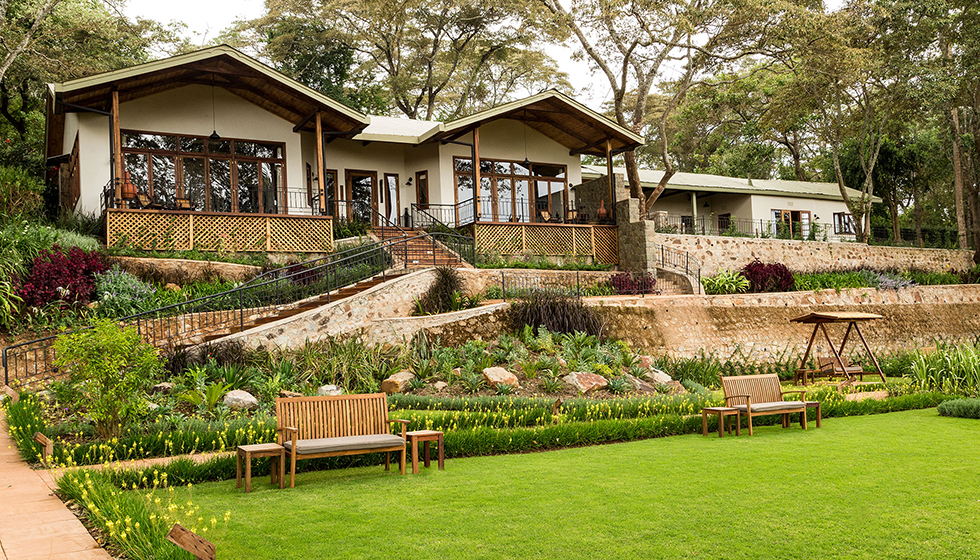
Gibbs Farm is a small working farm a short distance from Karatu close to the Ngorongoro Crater and Highlands.
Learn More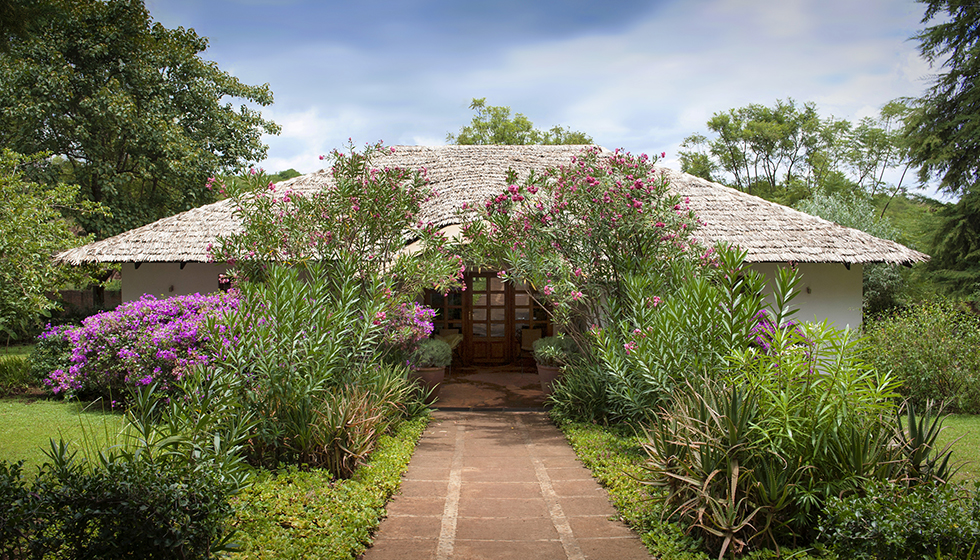
Plantation Lodge is a small privately-owned hotel with plenty of style, a small oasis of trees, beautiful gardens & thriving birdlife within a working farm, close to the entrance into the Ngorongoro forest reserve.
Learn MoreNgorongoro Crater (FAQS) NEED TO KNOW
What animals can I see at Ngorongoro Crater?
Game viewing is excellent all year round. The crater is famous for its large density of lions, in particular black maned lions. Within this relatively small space most of the major East African habitats and mammal species can be found, such as tusker elephants, leopard and rhino.
What is the best way to explore Ngorongoro Crater?
The only thing to rival the animal population in Ngorongoro is the tourist population, and for this you must be prepared. On a bad day during high season, you can find yourself pursued by minibuses full of camera-toting tourists. It’s harsh to suggest that you should miss the crater out altogether on account of the traffic jams, but our advice would be to plan to leave wishing you’d stayed longer, rather than the other way round.
The Crater can be explored in a day. We suggest getting to the entrance as early as possible, to start your day with the best possible chance of viewing all the animals before they become tired and without other tourists.
What is the accommodation like in Ngorongoro Crater?
The Ngorongoro Crater is very popular, so many of the lodges on the outskirts of the crater are high-end luxury. They provide a high-class service and the views of the crater are extraordinary. By staying so close to the entrance, you’re also in pole position for your morning game drive. For those not looking for such a high-end experience, there is a range of more rustic lodges and camps or houses in the surrounding areas.
From our Travel Guides







Meet Our Travel Experts
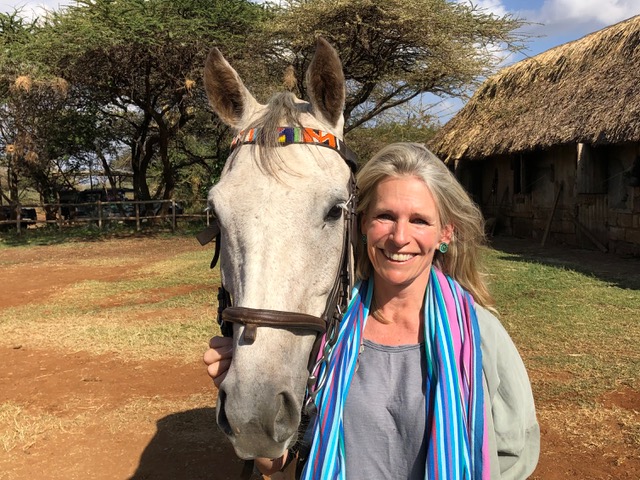
It takes genuine local knowledge to craft trips that go beyond the ordinary. The Natural High team have unrivalled experience and will take your ideas and turn them into your trip of a lifetime.
Into The Wild Brochure
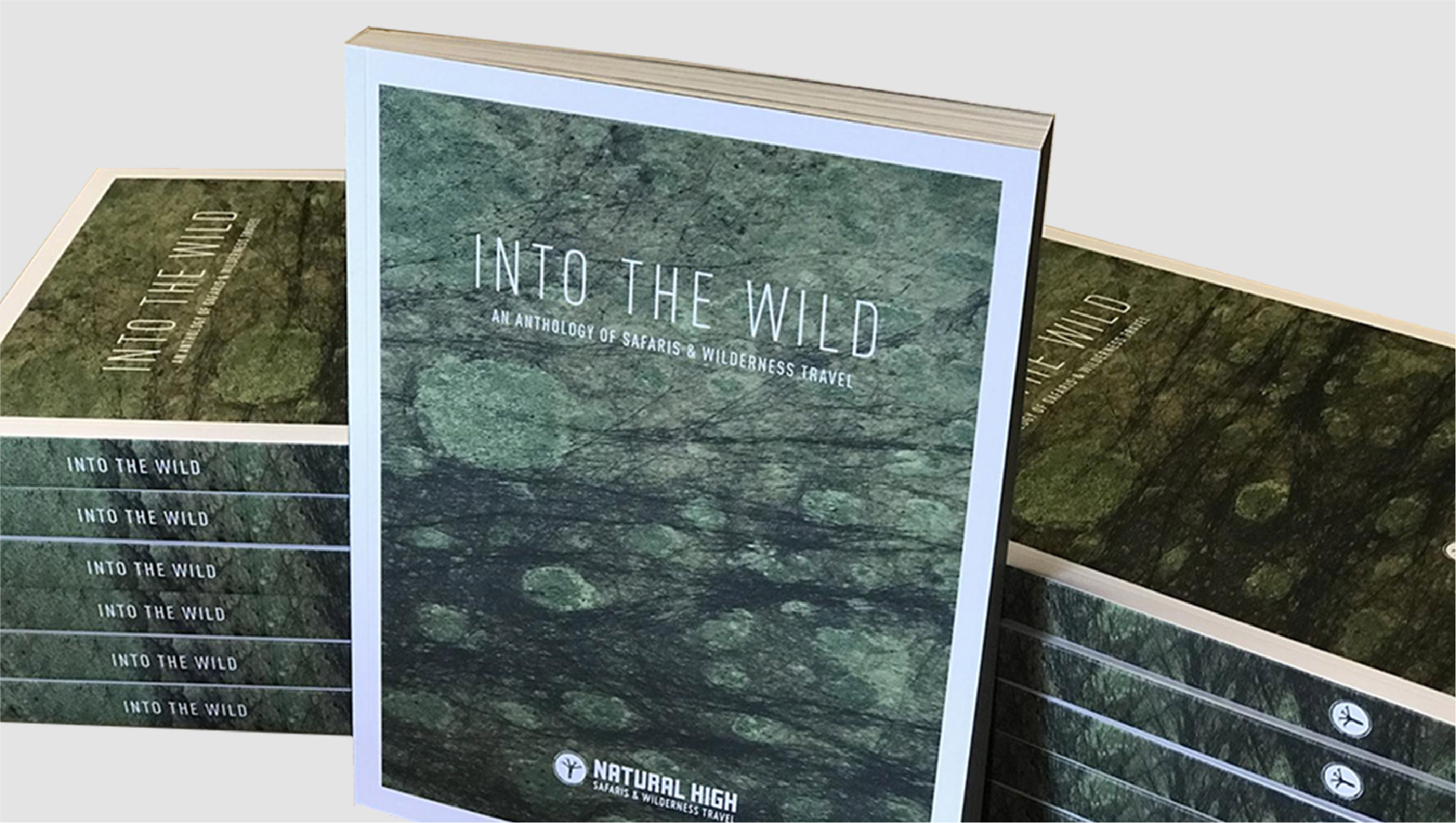
Need some more inspiration? Request a copy of Into The Wild, our comprehensive anthology of safaris and wilderness travel.