

Africa’s Big Cats
Seeing big cats up close is one of the most exhilarating parts of an African safari. We’ll tell you when, where and how to experience these unforgettable encounters yourself.
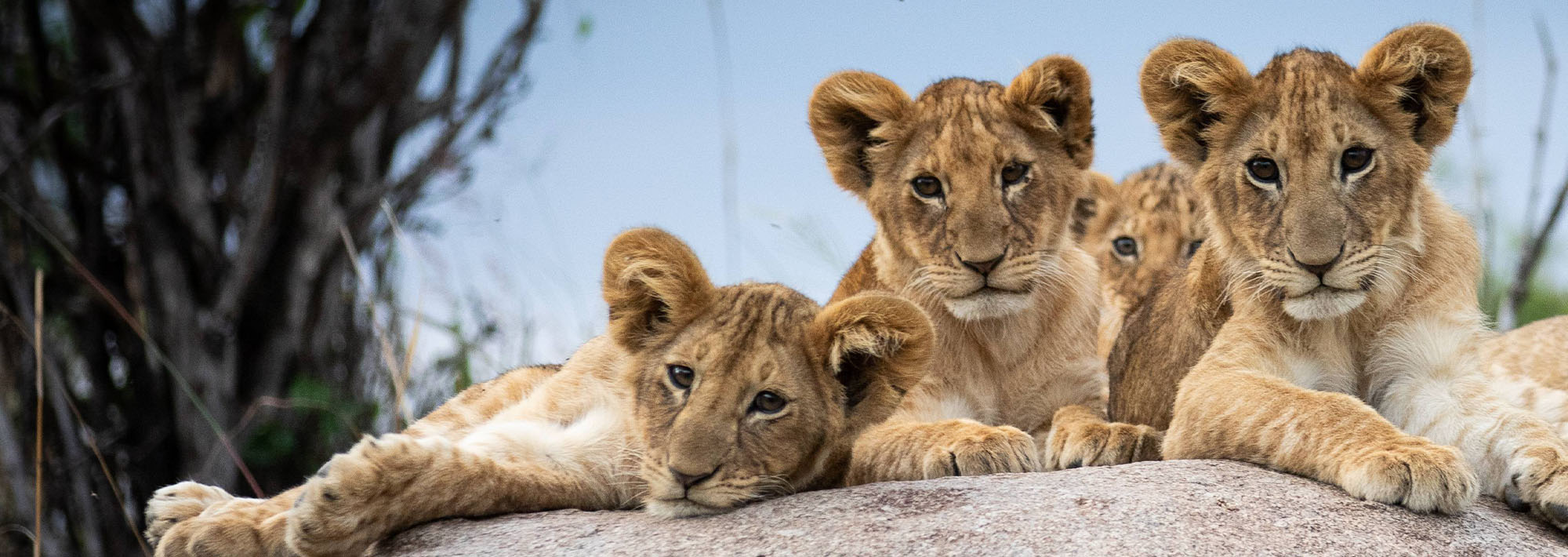
Encounter Africa’s Big Cats on Safari
The prospect of seeing big cats in the wild is one of the main reasons people are drawn to an African safari. And as long as you pick the right areas, the experience is certain to live up to your expectations.
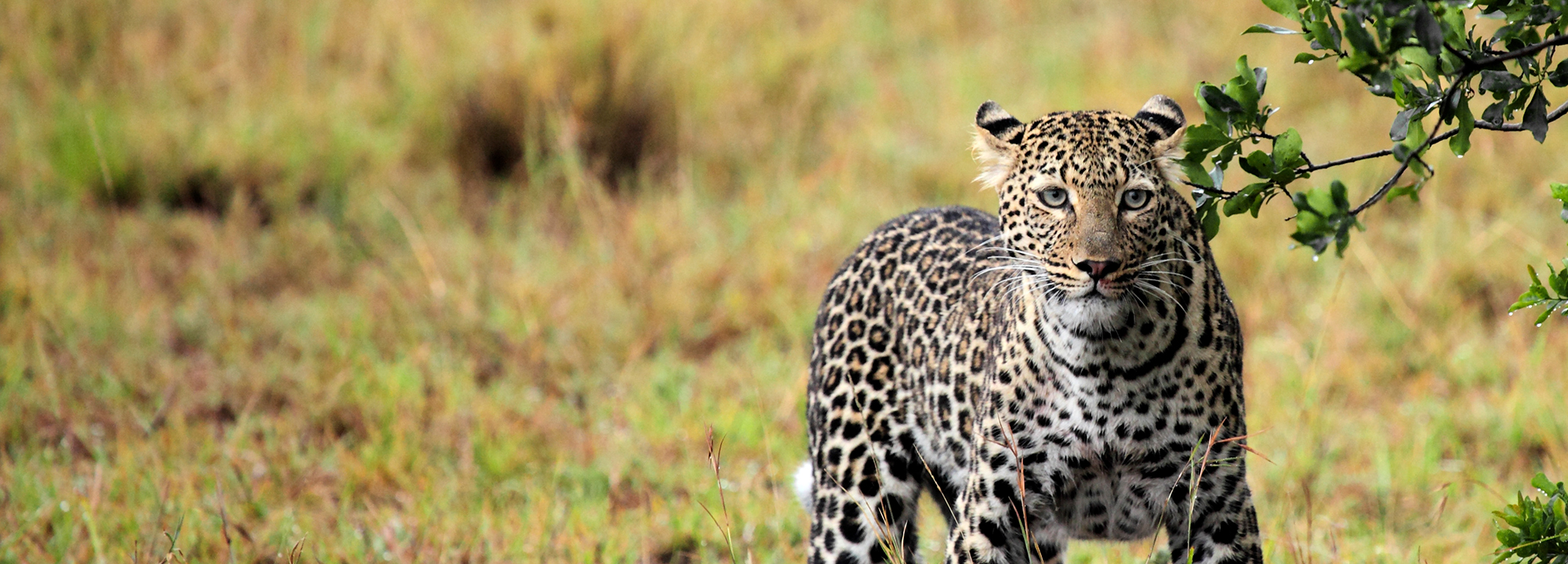
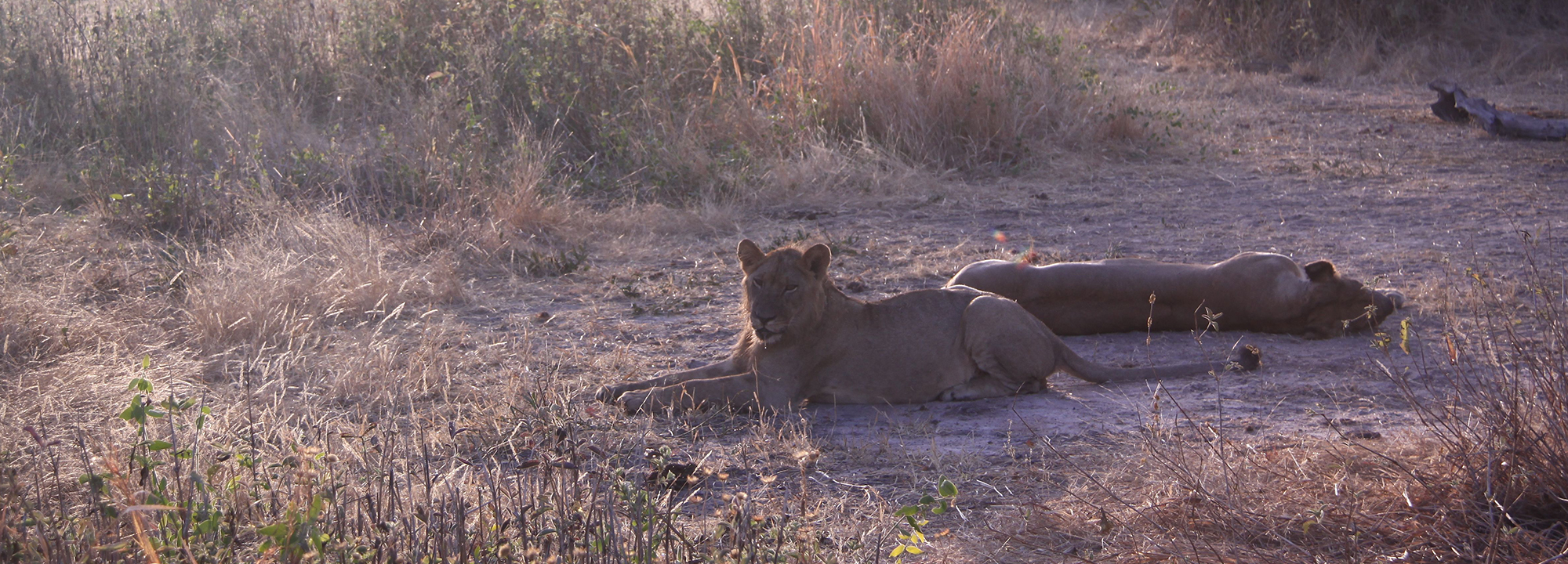
Kenya, Tanzania, Uganda, Zambia, Zimbabwe, Botswana and Namibia all offer excellent opportunities to see lion, leopard and cheetah. There are also plenty of chances to encounter some of the lesser-known cats like the serval and the lynx-like caracal.
As you’d expect, the best-known locations are also the most crowded, and big cats surrounded by vehicles and camera lenses probably isn’t our idea of an authentic wildlife encounter. Stick with us and avoid the heavy tourist areas. We promise you’ll be rewarded.
+ Read More
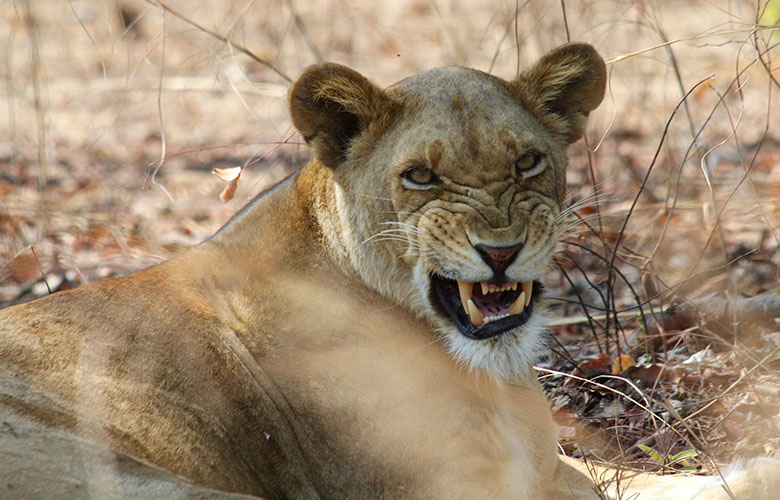
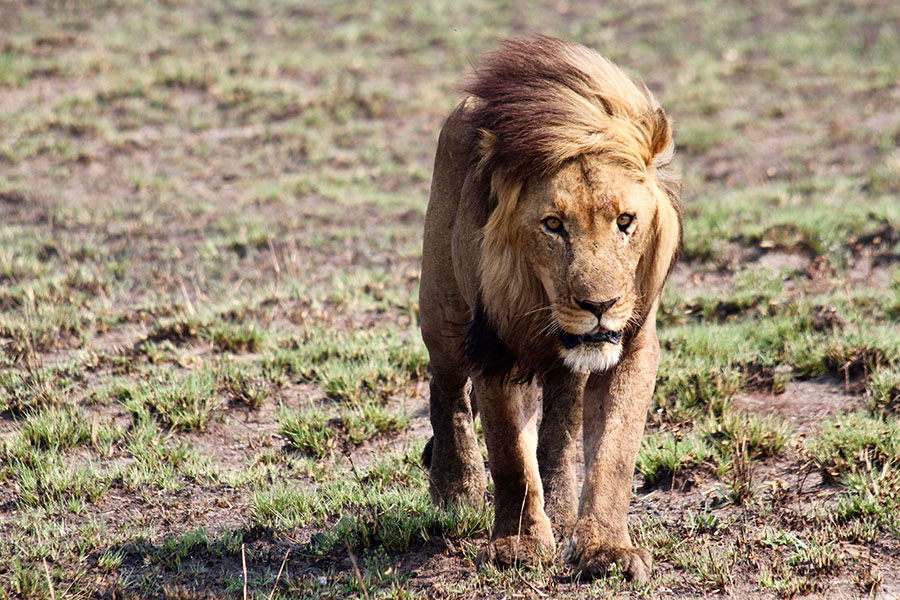
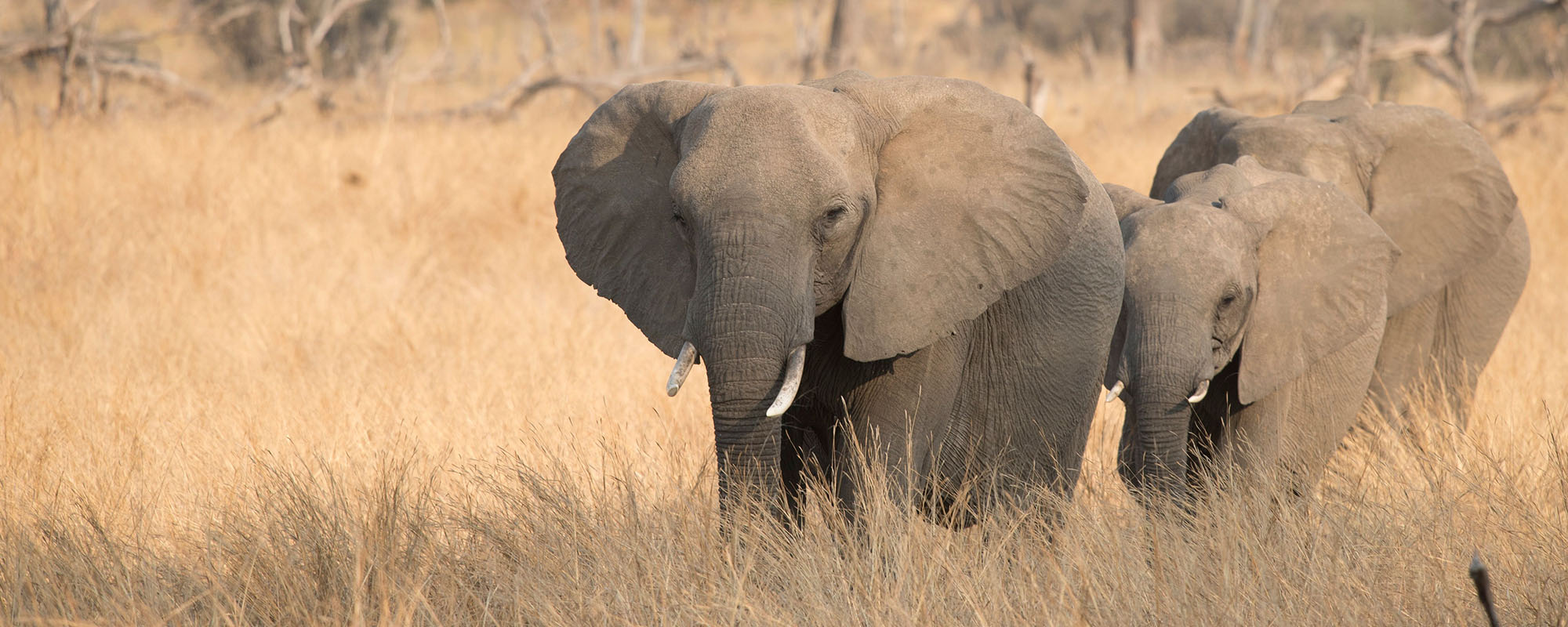
- Prides of lion in the Okavango Delta
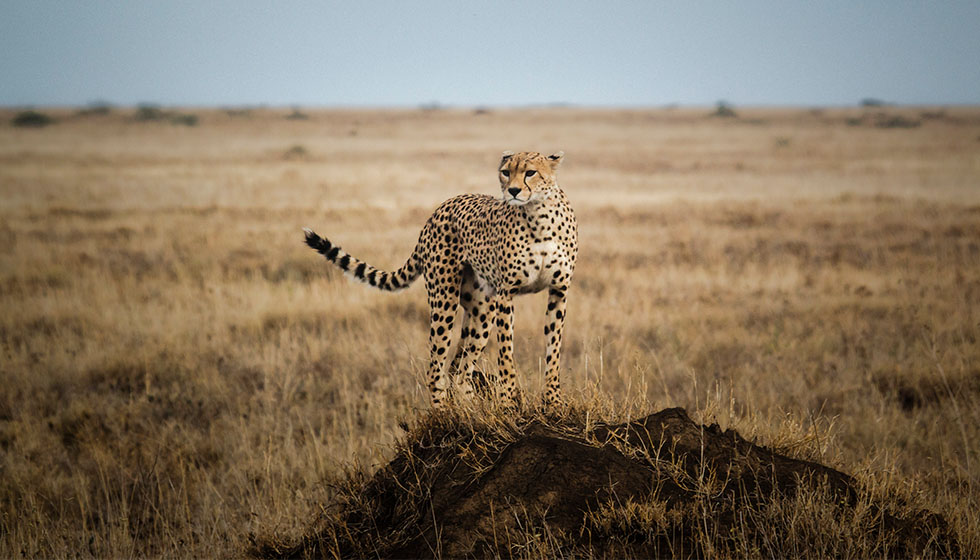
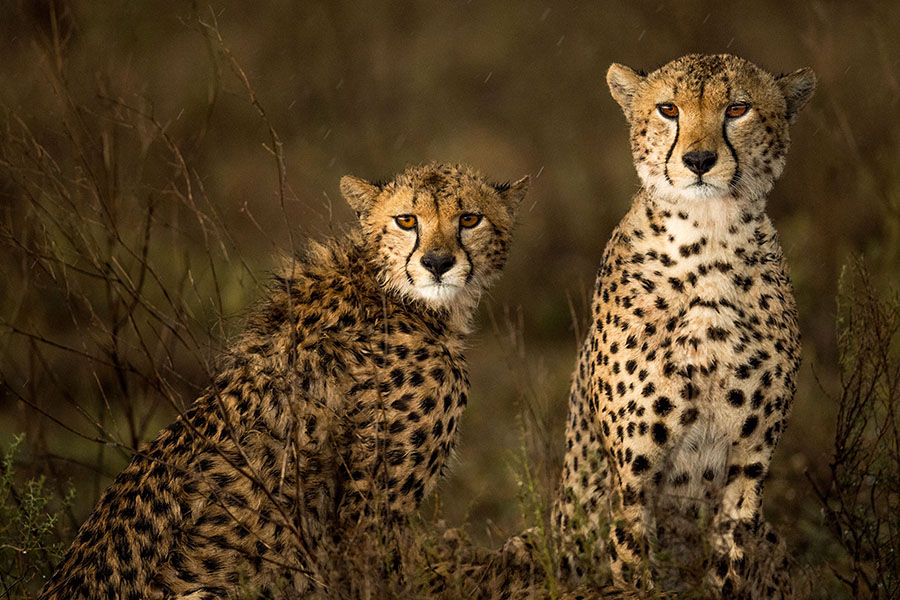
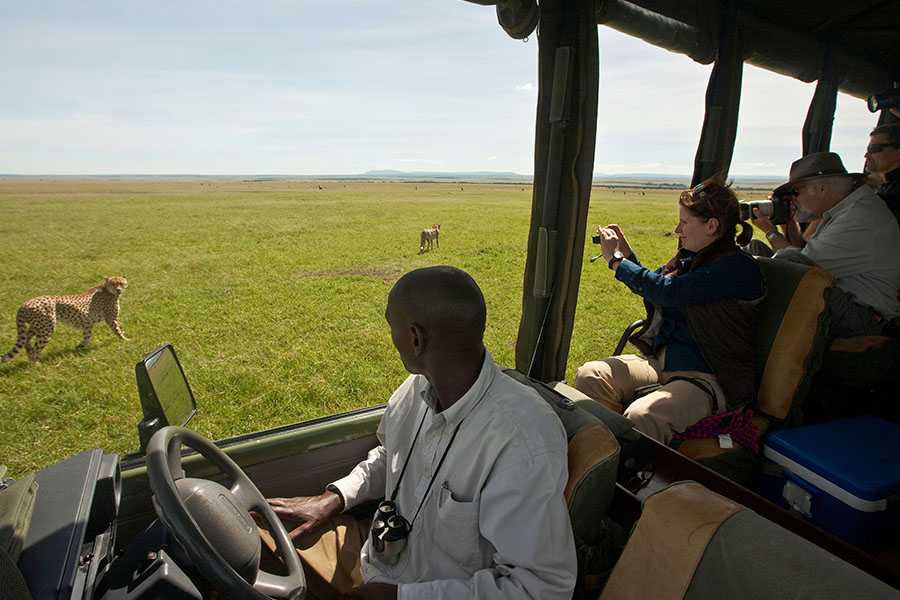
- Chasing cheetahs across the Serengeti
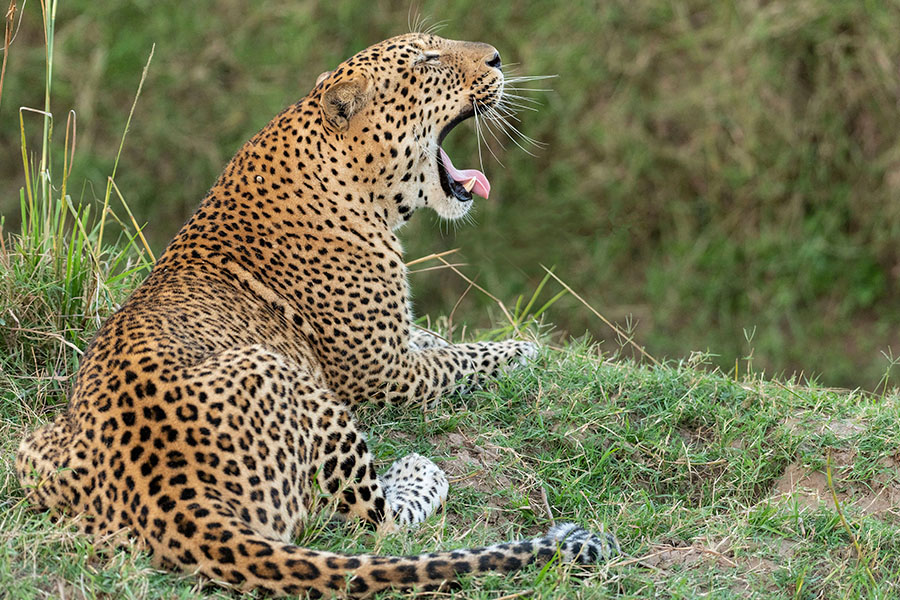
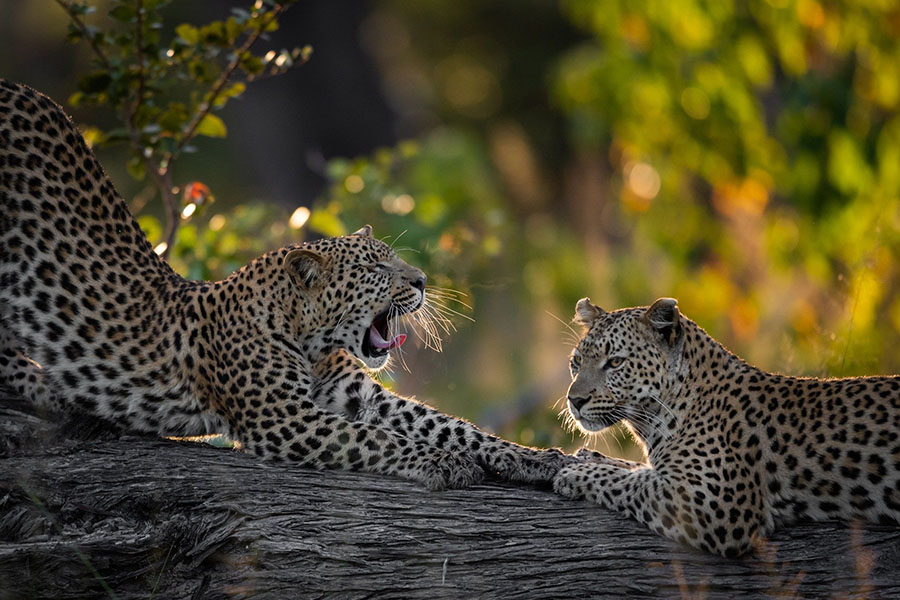
- Leopard stronghold in Ruaha National Park
-
 ATOL Protected
-
24/7 Guidance & Support
-
20+ Years of Experience
-
We take care of the leg work
-
We find you the best deal



BEST TIME TO SEE BIG CATS ON SAFARI
Depending on where you travel in Africa, there are opportunities to see the majestic big cats all year round.
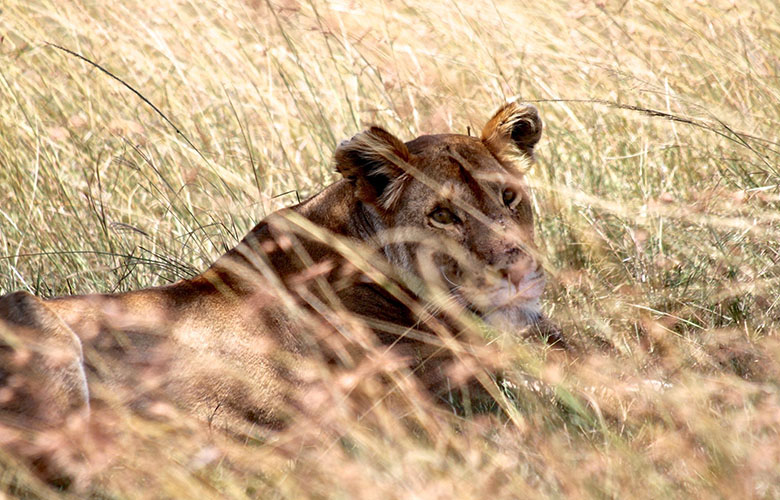
Your best bet is to visit between July and October, which is when the main hot spots experience their dry season. A lack of rainfall means that prey gathers around the limited water supplies, while the sparse vegetation offers the perfect conditions for spotting lions, leopard and cheetah.
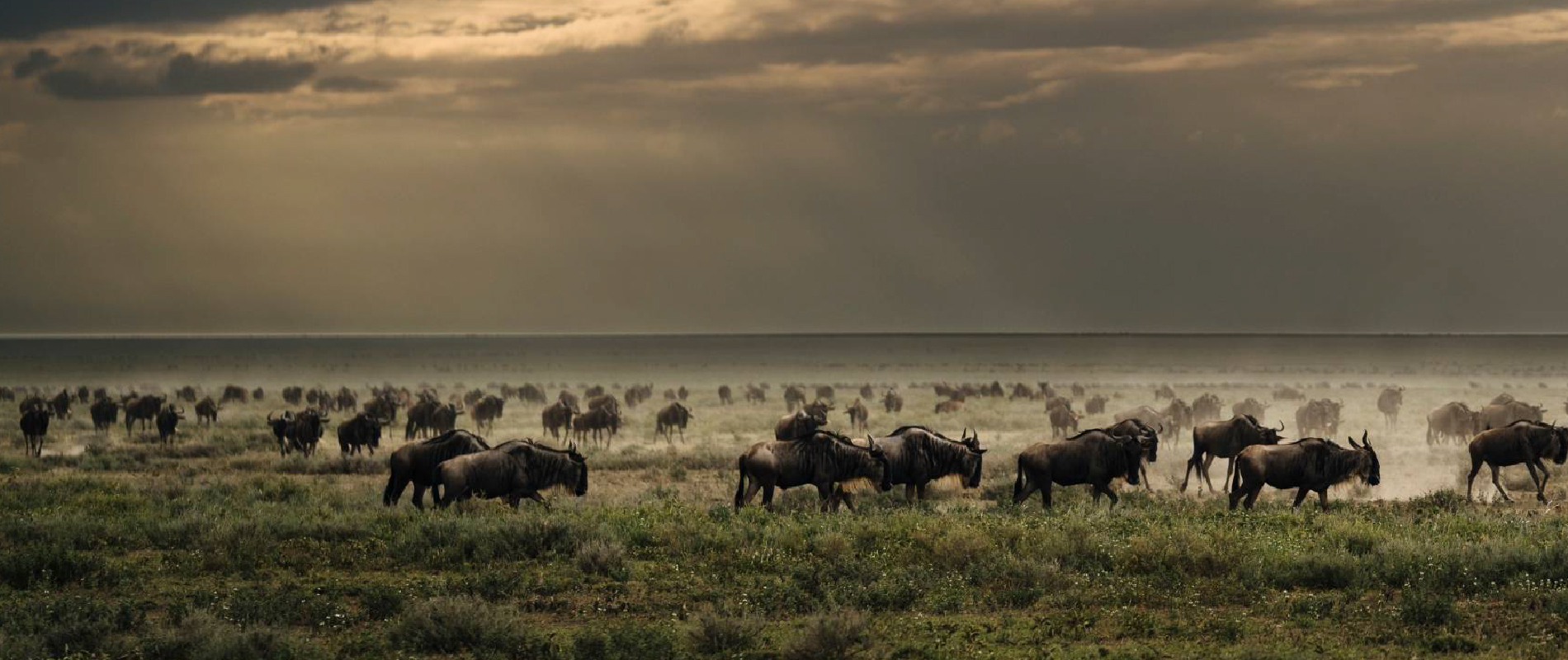
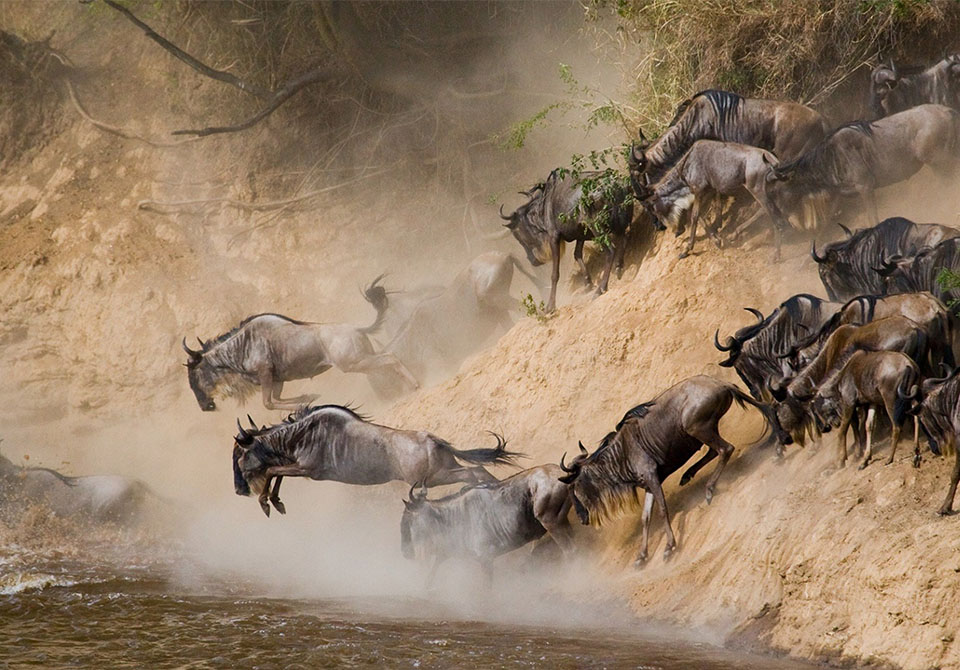
However, there are also parks like Kenya’s Masai Mara and Tanzania’s Serengeti which attract big cats throughout the year due to their extensive food populations. If you are visiting one of these areas, you may want to coincide with the Great Migration, where wildebeest travel across the Serengeti to the Masai Mara. Drama is close to guaranteed, as thousands of prey will be taken by the big cat predators during this journey.
Ruaha and Katavi in Tanzania both also have excellent year-round lion sightings, with leopards outnumbering lions in Ruaha. Cheetah are present in both these parks, but in low numbers.
BEST TIME TO SEE BIG CATS ON SAFARI
Talk to our Experts
They’ll be happy to let you in on their travel secrets, and help you plan a tailor-made trip that’s truly unforgettable.
“There are certain things in nature in which beauty and utility, artistic and technical perfection, combine in some incomprehensible way, the web of a spider, the wing of a dragonfly, the superbly streamlined body of the porpoise, and the movements of a cat.– KONRAD LORENZ
Top Parks & Areas For Big Cats Safaris
Inspiring Itineraries
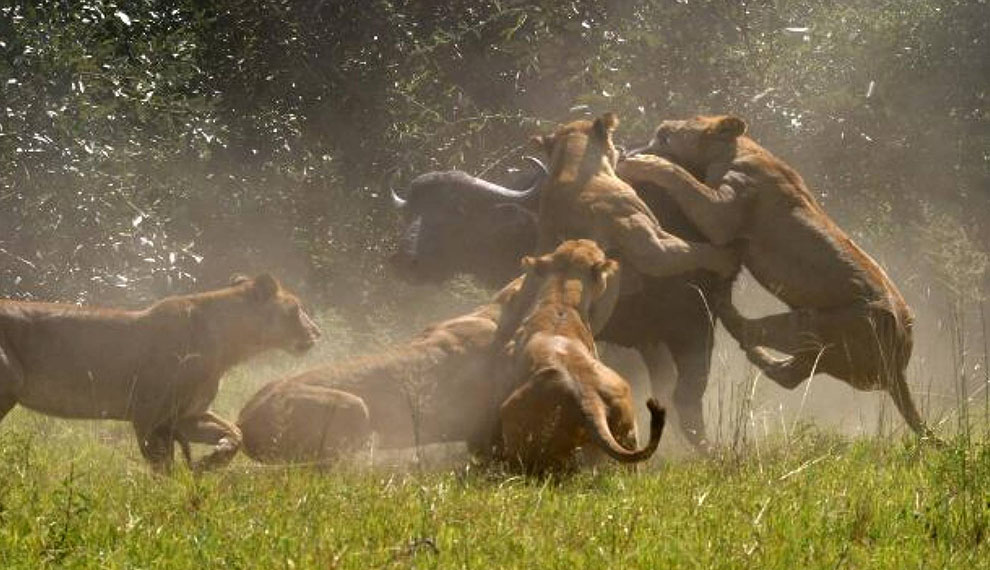
Lion hunts in the Okavango Delta
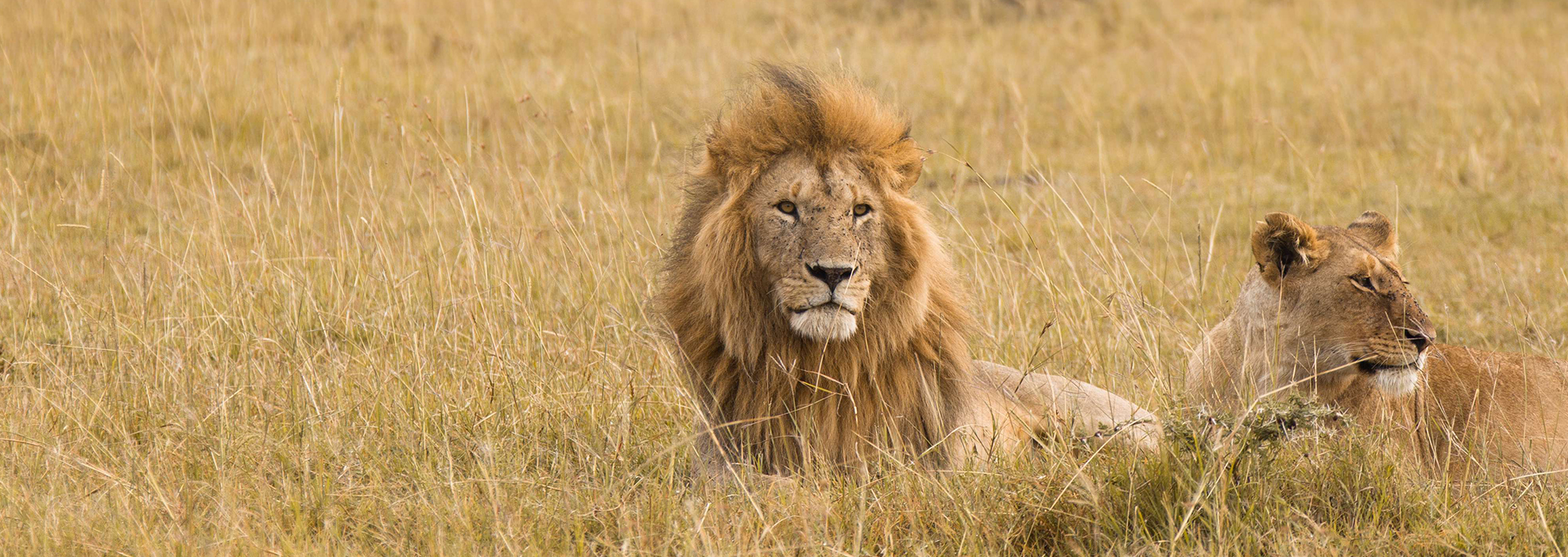
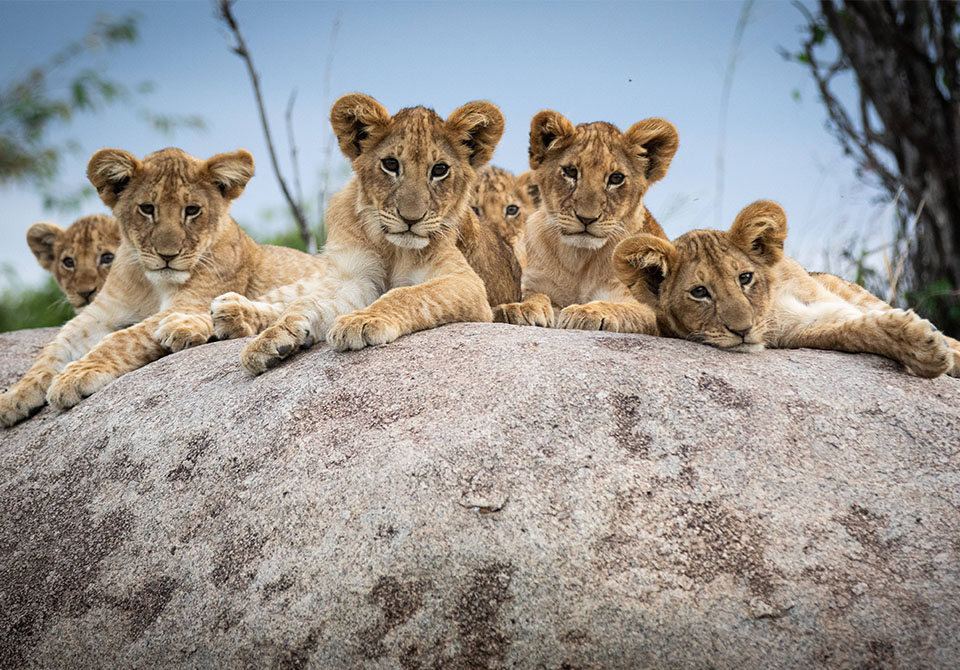
Thanks to their size, strength and cooperation, lions are capable of pulling down much larger prey than any other carnivore.
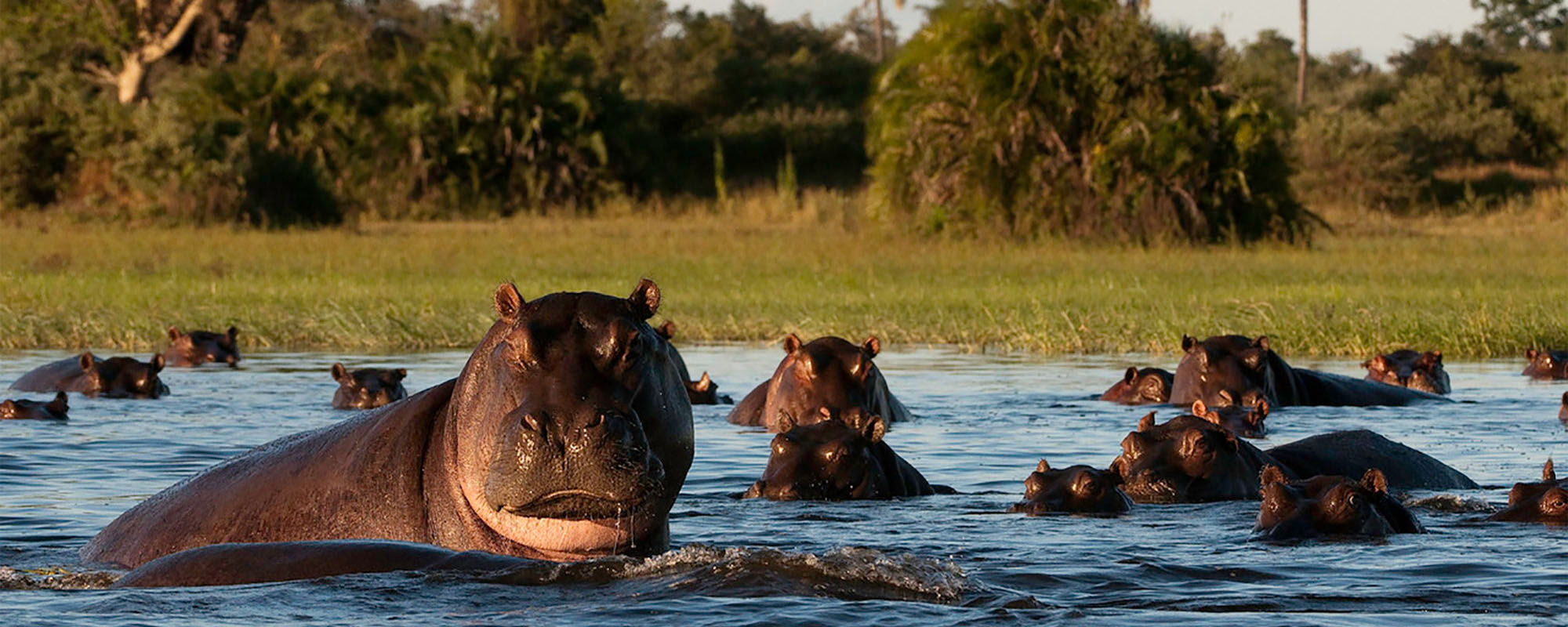
Several prides in the Okavango Delta in Botswana have become experts in hunting hippo, buffalo, giraffes and even the occasional elephant. Unusually, they do this in daylight, giving you the chance to witness these thrilling and gory battles first-hand.
Leopards by night
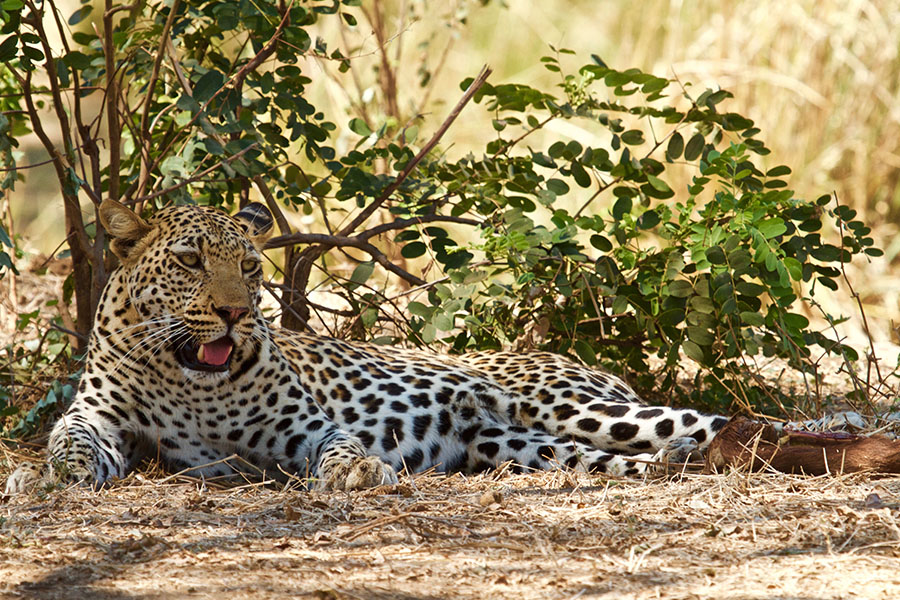
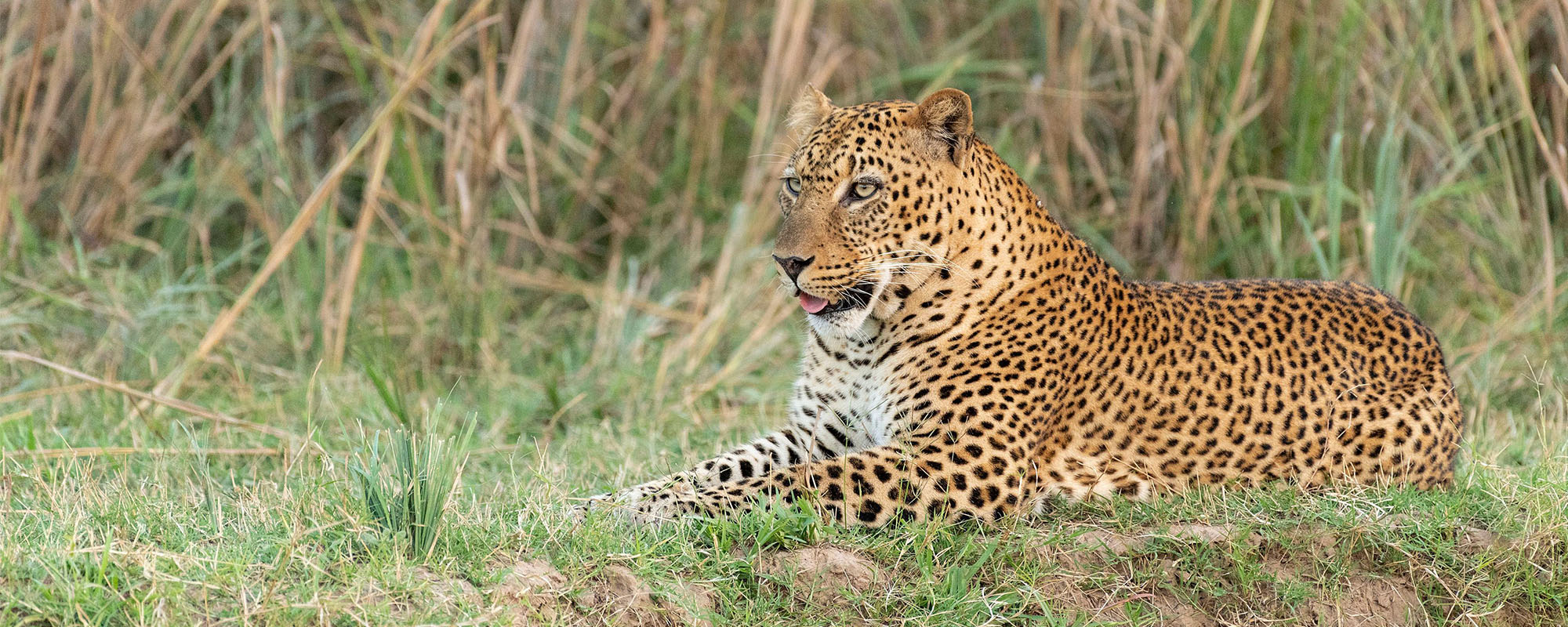
South Luangwa in Zambia has a reputation for incredible leopard sightings, with its riverine woodland terrain and oxbow lakes making perfect ambush territory.
Much of the emphasis here is on night drives, which can be a great way to see leopards, but it’s essential to follow reputable guides to avoid disappointment. Our experienced team knows exactly how to maximise your chance of a sighting.
Cheetahs in Kidepo Valley
Close encounters with cheetahs can be incredibly rare, but there is an isolated population in Uganda’s Kidepo Valley National Park.
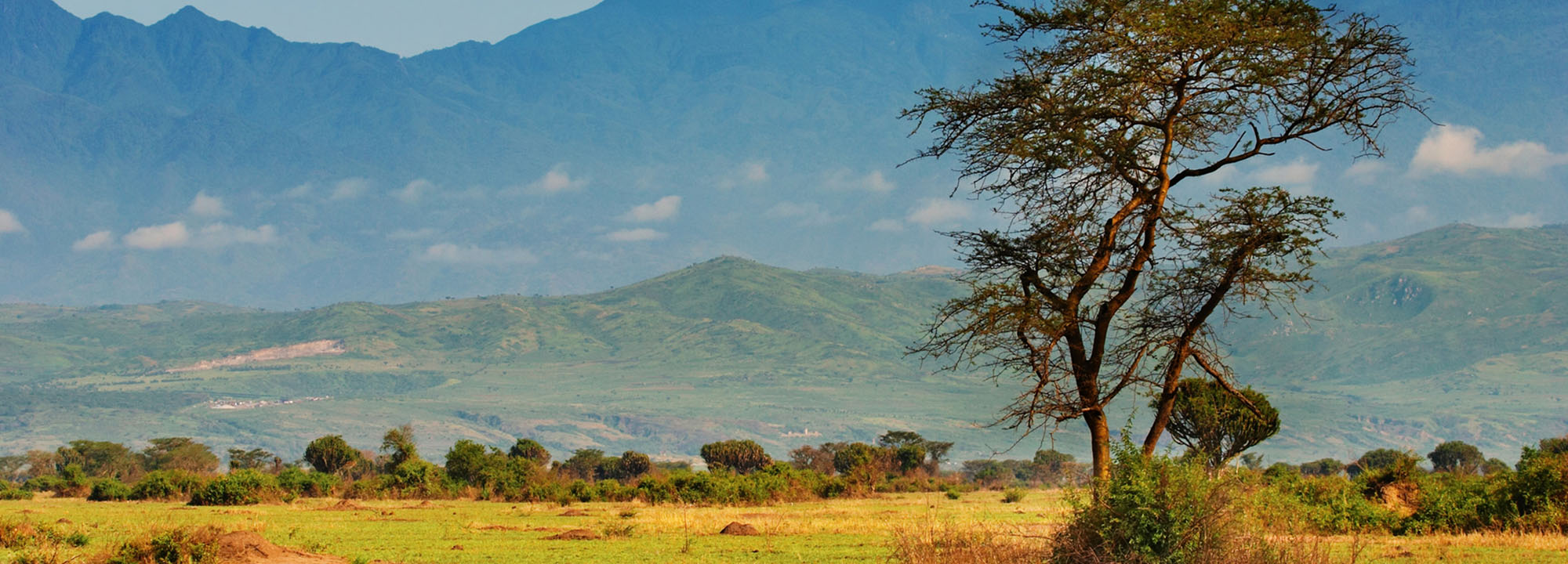
They are mainly active during the day where they prey on the antelopes and gazelles within the park, and sightings here are becoming increasingly common. Uganda is also the only country where you can easily combine a quest for big cats with great apes if you wish.
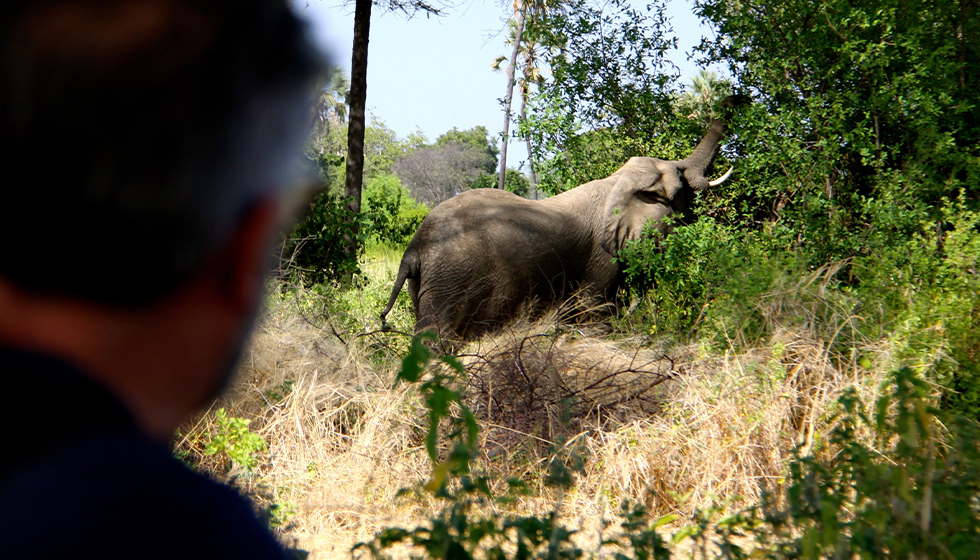
Wildlife spectacle on foot
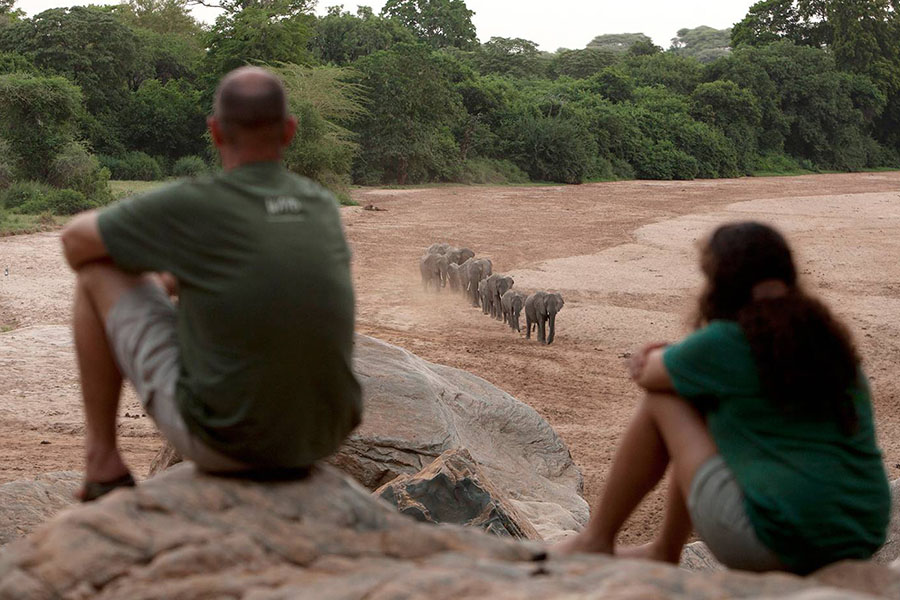
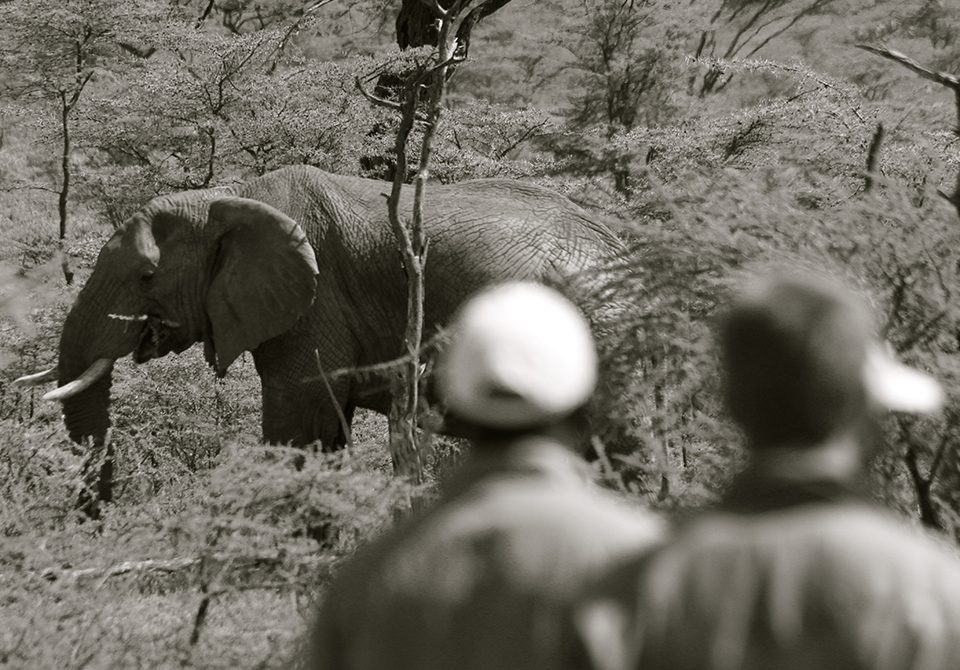
Time on the ground is crucial for the best sightings of Africa’s big cats.
A few days travelling on foot is ideal, but don’t get too obsessed with the cats alone. In our experience, lions, leopards and cheetahs are often found while looking for other wildlife. Forget cat-obsessed missions and keep an open mind to get the most from your safari.
From Our Travel Guides







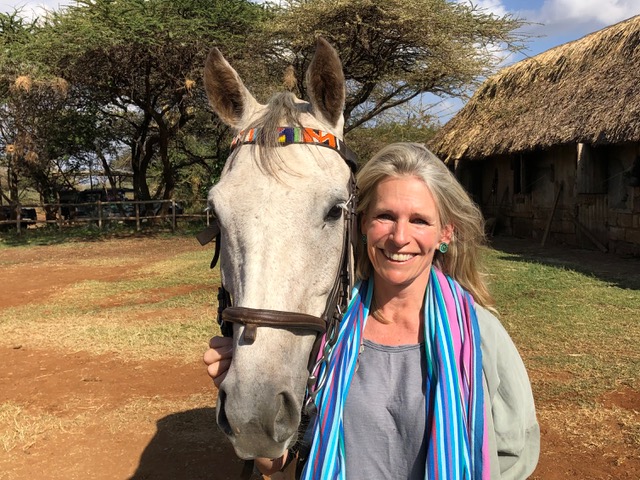
Meet Our Travel Experts
It takes genuine local knowledge to craft trips that go beyond the ordinary. The Natural High team have unrivalled experience and will take your ideas and turn them into your trip of a lifetime.
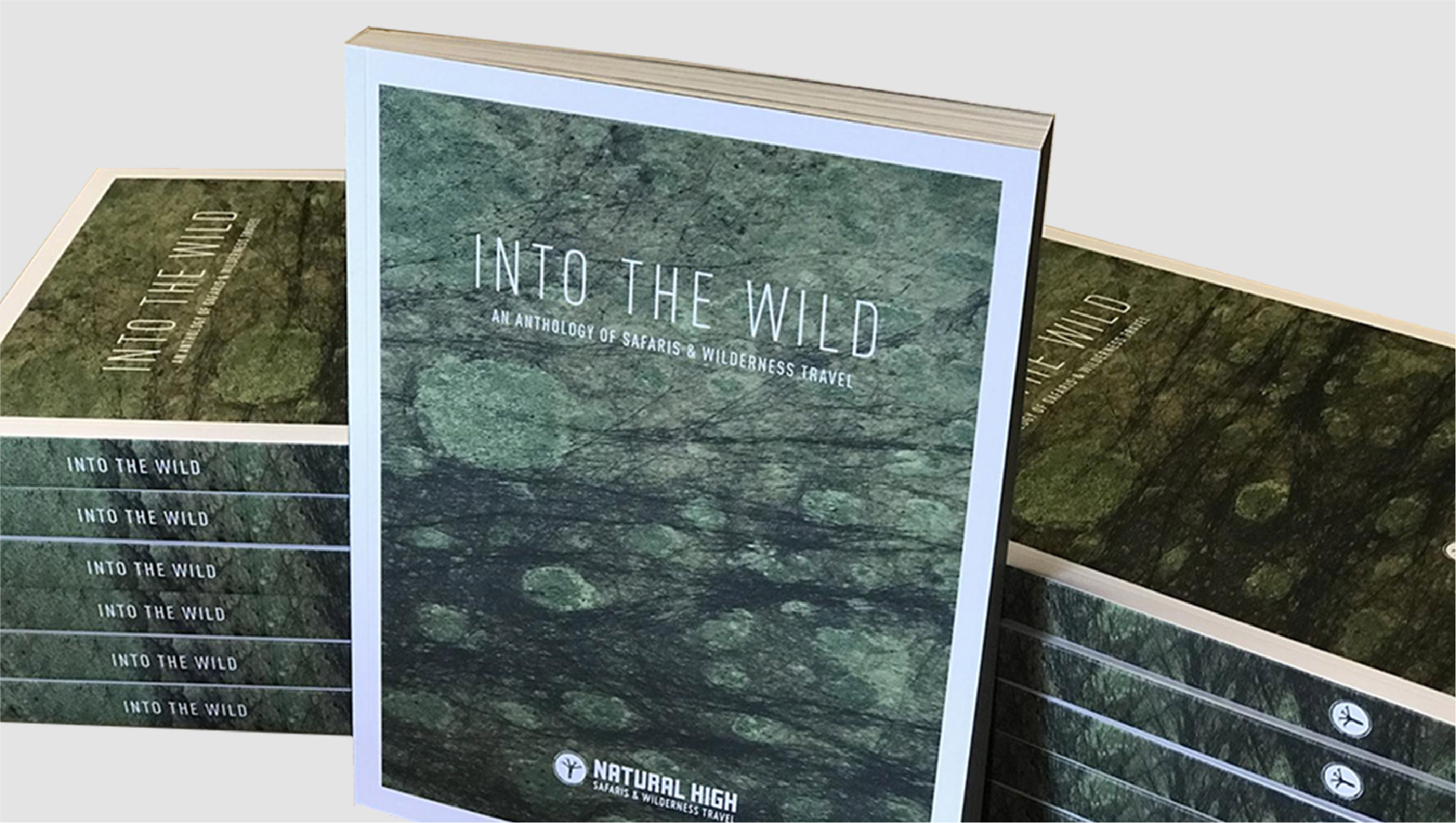
Into The Wild Brochure
Need some more inspiration? Request a copy of Into The Wild, our comprehensive anthology of safaris and wilderness travel.